Ratgeber
Diving and snorkelling at the island's house reef
A house reef allows snorkelling and diving straight from the island, depending on condition, season and current. Experience, supervision and respectful treatment of corals matter. Private Islands is a Swiss travel agency offering advice by video call and helps with choosing the right island.
Von Private Islands, Stand
Schritt für Schritt
- Clarify experience and diving certification
- Ask about the condition and location of the house reef
- Check season and visibility
- Clarify equipment and supervision
- Discuss health questions with your doctor
- Read the rules for protecting the reef
Checkliste
- Certification and logbook packed
- House reef asked about with the operator
- Current and weather checked
- Equipment clarified
- Fitness to dive discussed
- Reef rules read
- Reef-safe sunscreen chosen
- Water shoes packed
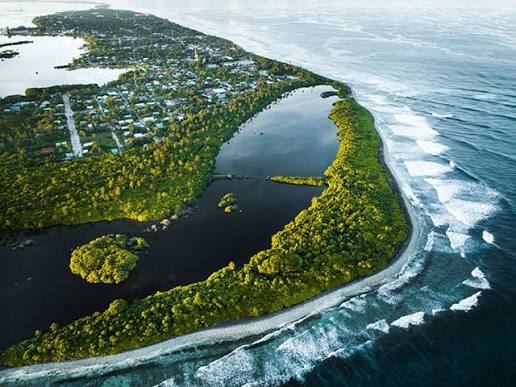
Many private islands lie on reefs that begin right in front of the villa. For snorkellers and divers that is a big advantage. But a reef calls for preparation, respect and knowledge of currents and weather.
What a house reef offers
A house reef begins right in front of the island and can be explored without a boat. Getting into the water early in the morning before breakfast and watching fish is, for many, a lovely moment of the trip. Dolphins, rays and turtles also often show themselves near islands.
Not every reef is the same. Some have colourful corals and plenty of life, others are damaged after storms or warming. Ask about the current condition. Beginners in particular benefit from a short introduction on the beach before they enter the water.
Tides and currents also shape the experience. At low tide the entry can be shallow, at high tide deeper. The operator knows the suitable times.
Snorkelling and diving
Snorkelling is possible for almost everyone who feels comfortable in the water. Equipment is usually available or provided. Ask about size and condition, especially for children.
Diving requires experience or a course. Many islands work with dive bases that offer supervision and equipment. Bring your certification and logbook. Caution is needed at low tide, because the water over the reef becomes shallow.
Ask about safety and procedure. Good bases inform you about current, depth and what to do in an emergency. If you like to observe, take your time and swim slowly, because calm movements attract more animals. Ask about currents at the entry points and about times when access is most pleasant.
Season and visibility
The suitable time for diving differs by region. Calm seas and good visibility are more frequent in some months. The operator can tell you about the season at your destination.
Plankton also affects visibility. It attracts large fish but clouds the water. This is a trade-off that you can weigh up before booking. Ask about sharks, rays and turtles in the area and about the rules on keeping your distance.
Allow several days so that bad weather does not take away all opportunities. Photograph without flash and without seeking to get close to the animals. On longer snorkelling sessions, a long-sleeved shirt protects against sunburn and light contact with jellyfish.
Health and behaviour on the reef
Diving requires health and fitness. Talk to your doctor, especially if you have pre-existing conditions. We give no medical assurances. Flying after diving is subject to waiting times, which you should take into account on the return journey.
Do not touch corals and do not stand on the reef. Even slight contact harms living things. Choose reef-safe sunscreen and follow the property's instructions.
Water shoes protect against sea urchins and sharp edges. You should treat small cuts immediately, because they heal more slowly in a tropical climate. Good planning allows for breaks between dives and sun, because tiredness lowers attention. Note down what you have seen, because many guests forget the names of the fish by the evening.
Equipment, courses and supervision
Many islands provide masks, snorkels and fins. If you bring your own equipment, you know the fit and condition, but you have more luggage. A well-fitting mask makes a lot of difference, and one of your own is easy to transport.
For beginners, dive bases offer trial dives and courses. These are a good opportunity to gain new experience under supervision. Ask about group size, guides' training and safety standards. The house reef remains a living habitat, not an aquarium, and deserves corresponding consideration.
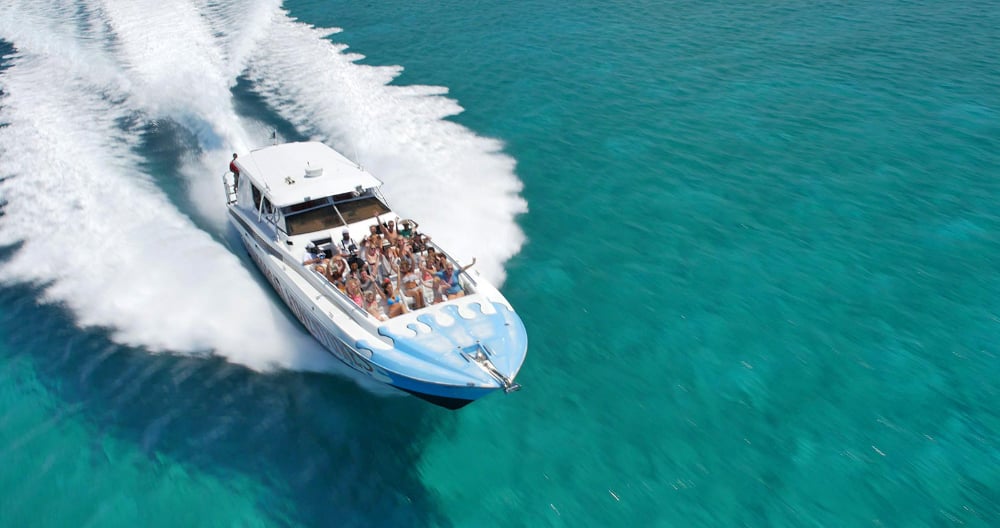
Non-divers also get their money's worth. Glass-bottom boats, snorkelling excursions and observation from the jetty offer glimpses of the underwater world. Ask about times when the reef is particularly lively, usually early in the morning. Avoid touching animals and stirring up sand so that the reef stays intact.
Planning with us
In the [planning consultation](/m/private-islands/planen) by video call we clarify your experience, season and wishes and look for islands with a suitable reef.
We ask the operator about condition, dive base and rules and record the answers.
That way you travel with realistic expectations and can look forward to the water. Some islands offer guided snorkelling sessions with a marine biologist.