Ratgeber
Incentive trip: what it is and who it suits
Corporate plans incentive trips as a reward for goals achieved, kept separate from working meetings such as offsites. It suits teams with measurable performance, for example in sales, and when criteria and budget are fixed in advance. Swiss Vibes is a Swiss travel agency that advises by video call.
Von Corporate, Stand
Schritt für Schritt
- Record the purpose in one sentence: reward, retention or motivation.
- Define the circle of participants and qualification criteria in writing.
- Have management approve the budget range and people responsible.
- Clarify tax and employment-law questions with your fiduciary and legal department.
- Choose the destination region and dates, then request quotes.
- Communicate criteria and date to participants and evaluate the result after the trip.
Checkliste
- Goal of the trip formulated in one sentence
- Qualification criteria in writing and the same for everyone
- Budget range approved by management
- Responsible person named in HR or office management
- Fiduciary asked about tax treatment
- Legal department or HR asked about arrangements with employees
- Dates free of clashes with quarter-end close
- Evaluation after the trip planned
An incentive trip is a trip with which a company recognises performance and retains employees or business partners. It is worthwhile when there is a clear goal, a defined circle of participants and transparent criteria. This article defines the term and provides a basis for decision for HR and management.
How does an incentive trip differ from an offsite?
An offsite is a working event in a different place. It is about strategy, collaboration or planning, and the programme follows an agenda. An incentive trip, by contrast, is a form of recognition. The experience takes centre stage, and work blocks are short or absent altogether.
The difference has consequences for planning, for the choice of accommodation and for communication to participants. For an offsite you need meeting rooms, technology and facilitation. For an incentive trip, what counts is accommodation, an experience programme and a setting that feels like a reward.
In practice there are hybrid forms. A short working part in the morning and an experience in the afternoon is common. What matters is that you decide internally which character prevails, so that expectations and budget fit together. Anyone who promises an experience and then schedules workshops disappoints the group. So does anyone who plans a working event and calls it a reward.
Which companies and teams does it suit?
An incentive trip fits when performance can be measured to some degree. That is typical in sales, in customer service or in project teams with clear goals. Where performance is hard to assess, a trip quickly seems arbitrary. So first check whether there are key figures or target agreements on which the invitation can rest, and who maintains those figures.
Company size also plays a role. In small SMEs, management knows everyone involved, and the trip can be meant as thanks to the whole team. In larger firms you need rules on who takes part, otherwise discussions arise. Criteria set down in writing that were known before the start of the period protect HR and management from the charge of arbitrariness.
An incentive trip makes less sense when the mood in the team is tense or structural problems exist. A trip does not replace clarifying roles, pay or processes. Resolve such issues first, and plan the trip afterwards.
Who decides, who plans, who communicates?
A clear division of roles has proved its worth. Management approves the purpose and budget range. HR or office management leads the planning and is the point of contact for participants. Line managers explain the background in the team.
Record the decisions in a short paper: goal, circle of participants, criteria, budget range, dates, people responsible. This page becomes the basis for all coordination and for queries. It also works well as a decision paper for management.
Communicate the criteria early. Anyone who knows the rules of the game finds the result fair, even if they do not win the trip. Also say by when participation is settled, so that nobody is left in uncertainty for long.
Which formats and destinations come into question?
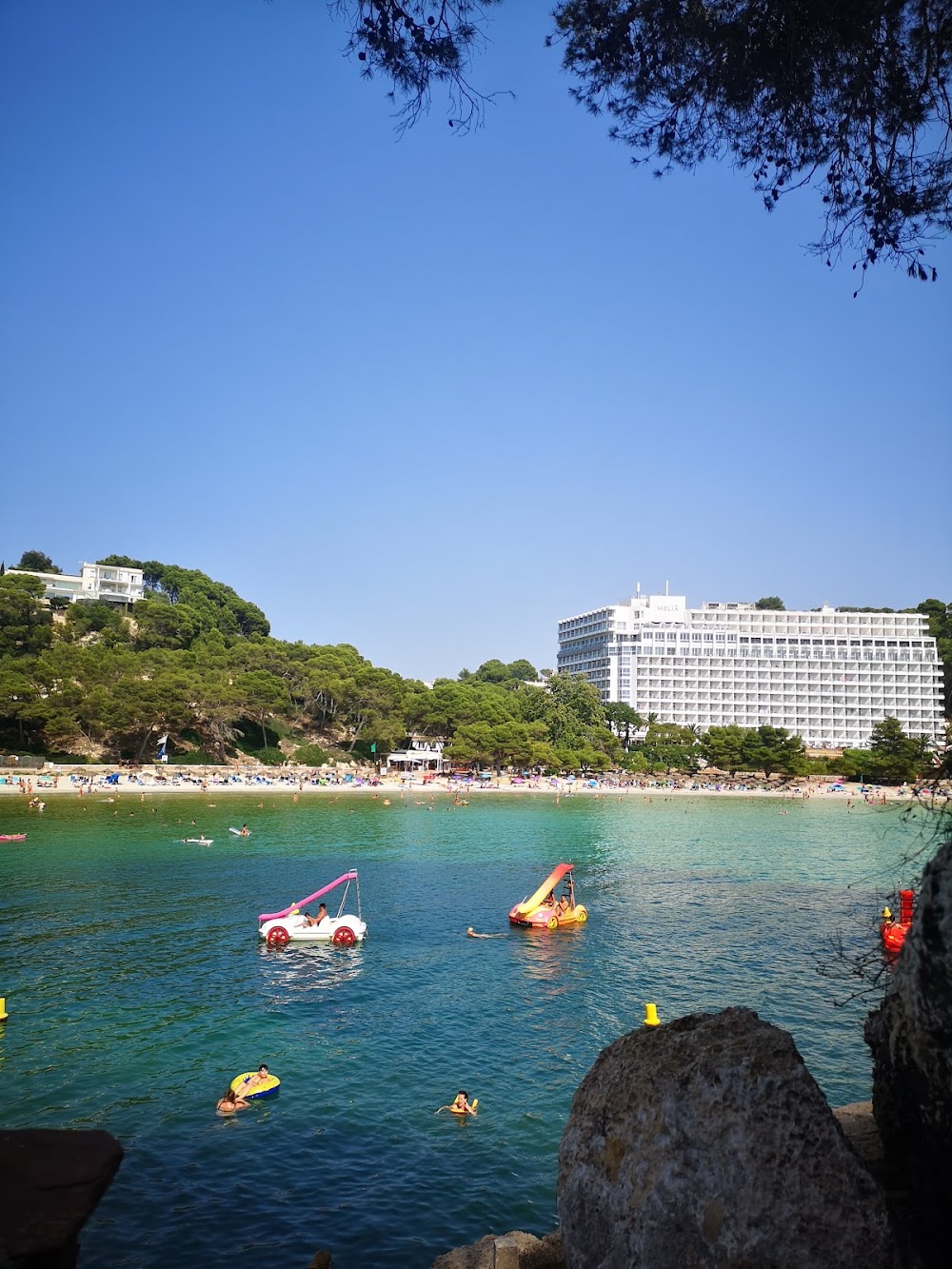
The range runs from a long weekend in a European city to a long-haul trip with a supporting programme. For groups looking for a special experience, destinations such as Dubai or Singapore are conceivable. Anyone who prefers a short travel time will find suitable alternatives on the Mediterranean. The choice also depends on season and climate, because in high summer some destinations are poorly suited to an outdoor programme.
Flight time should fit the duration. On a short stay, a lot of time is lost on long routes. For the programme, count on recovery, not a full daily schedule. One or two shared highlights, such as a dinner and an activity, are usually enough, and the rest can stay free.
Prices depend on season, hotel category and group size. Binding figures only come with a quote for your group.
What needs clarifying in advance with your fiduciary and HR?
Whether an incentive trip is treated differently from a normal business event for tax or social-insurance purposes depends on the individual case. The same goes for the question of how accompanying persons or leisure portions are to be treated. Clarify this before booking with your fiduciary.
Employment-law points also belong in the advance check, such as travel time, voluntary participation or equal treatment. Ask your legal department or an external specialist. This article is no substitute for advice.
Document the answers and file them with the planning paper. That way you can build on them for the next event and do not have to ask the same questions again. Allow a few weeks for this clarification before you book with binding effect.