Ratgeber
Active or relaxed honeymoon: what suits us?
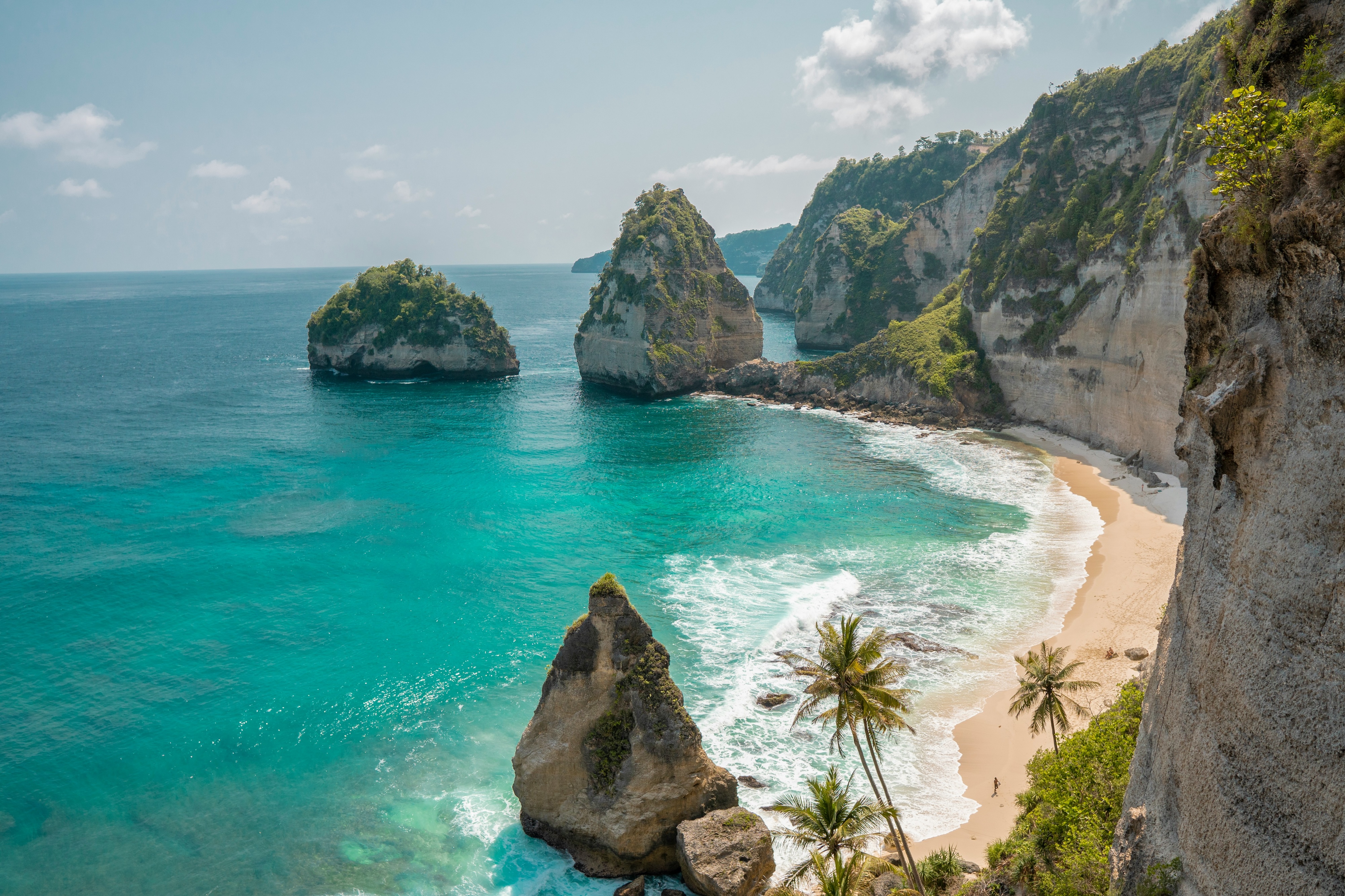
For couples with different paces, Honeymoon recommends a rhythm of two active days and one rest day. Fiji, Bali and Zanzibar offer both: nature, excursions and quiet beaches. What matters is that you both talk openly about your expectations beforehand.
Von Honeymoon, Stand
Schritt für Schritt
- Each of you writes down separately what an ideal day looks like.
- Compare similarities and differences in a list.
- Set a rhythm, for example two active days and one rest day.
- Choose destination and accommodation to suit this rhythm.
- Do not book all excursions in advance, but leave a few days open.
- At the halfway point of the trip, take stock briefly and adjust the plan.
Checkliste
- Ideal day described separately
- Rhythm of activity and rest set
- Destination chosen to suit both needs
- Excursions partly planned in advance, partly left open
- Fitness and health assessed realistically
- Equipment such as shoes and sun protection considered
- Health information checked for the current status at the FOPH (BAG)
An active honeymoon focuses on excursions, movement and new impressions. A relaxed honeymoon puts rest and time as a couple at the centre. Most couples sit somewhere in between and benefit from a clear rhythm of activity and rest.
What does active mean and what does relaxed mean?
Active does not necessarily mean extreme sport. It can be a walk through rice fields, a snorkelling tour or a hike to a waterfall. Relaxed does not mean doing nothing, but time without appointments, with a book, a pool and a long breakfast. Some couples only discover while travelling that they need the balance that the other one brings. That is part of being together.
What matters is balance. If you plan too much, you experience stress, and if you plan nothing at all, you get bored after a few days. Discuss beforehand where your limit lies. If you are unsure, try out a weekend nearby first and notice how the rhythm feels.
How do couples with different paces come together?
Write down separately what an ideal day looks like. Then compare the lists. It often turns out that the differences are smaller than you thought. Also write down what you definitely do not want, such as early starts or long bus journeys. Such exclusions are often more important than wishes.
A tried and tested rhythm: two active days, one rest day. The more active partner gets excursions, the calmer one gets rest. Each of you takes turns having the final say.
Another option is to split the day. Excursion in the morning, break in the afternoon. This creates shared experiences and time to rest. In tropical countries especially, the midday heat is a natural pause that both partners are glad to use.
Fiji: nature, islands and calm
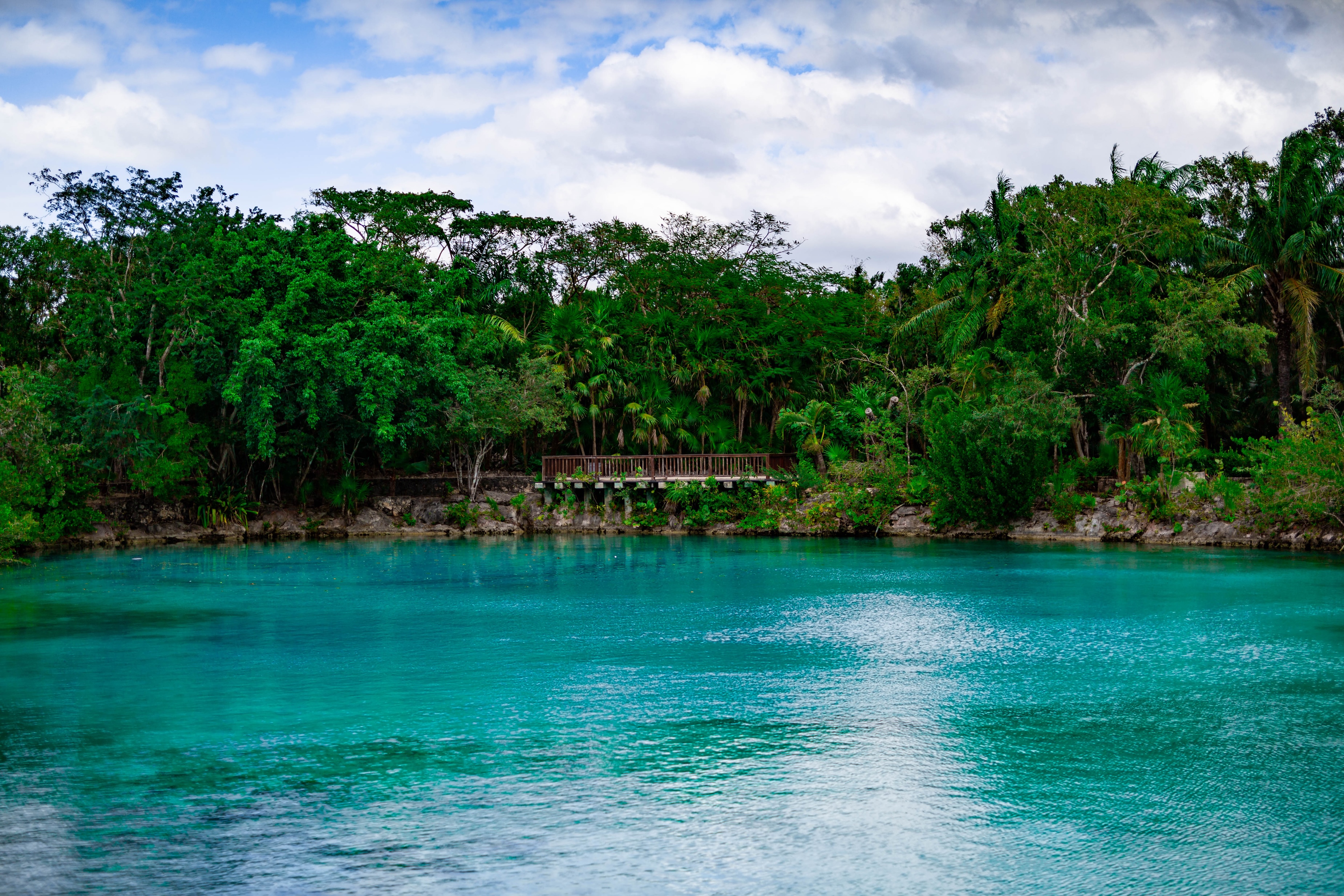
Fiji combines beach days with snorkelling, boat trips and village visits. On the smaller islands, calm is the focus, while the main island has a wider choice of excursions. Villages on the islands often invite visitors, giving you the chance to get to know local customs and cuisine. That takes time, but suits quiet days well.
The journey is long, so a longer stay is worthwhile. Depending on season and category, resorts differ greatly in their programme. Ask which activities are included in the price. Depending on the island, you reach the resorts by boat or flight, which costs additional time.
Bali and Zanzibar compared
Bali offers culture, nature and beach on one island. You can hike, visit temples, cook or simply lie by the pool. The range allows a flexible rhythm. Yoga, cycling tours and surf lessons are also common and can be booked without much preparation.
Zanzibar combines beach, spice farms and the old town of Stone Town. The pace is more leisurely, and excursions are manageable. If you are looking for calm with a touch of culture, you will be well looked after there.
Both destinations are far away. Allow at least ten days, so that the journey and the rhythm are worthwhile. If you want to combine both, connect a few days inland with a beach stay.
Budget logic and planning
Active trips spread the budget across excursions, transfers and food. Relaxed trips shift it into accommodation and spa. Decide first which shares matter to you. If you like diving or surfing, you need equipment and courses for it, which carry surcharges depending on season and category.
Do not book all excursions in advance. Leave room for spontaneous ideas and rest days. Assess your fitness and health honestly before choosing strenuous tours, and ask your doctor if necessary. That keeps the budget flexible and lets you react to the weather.
In a video call, we place trip proposals with different paces side by side for you. Honeymoon advises couples exclusively by video call.
How to spread activity and rest across the days
Begin with a quiet day, so that jet lag and wedding stress wear off. After that, the alternation of excursion and rest begins. This lets the body get used to the pace.
Put excursions in the cooler morning hours and leave the afternoon free. In tropical regions, this is not only more pleasant but often also safer. Apply sun cream regularly and drink enough water, because sun and heat tire you faster than expected.
Plan another quiet day at the end of the trip. That makes the journey home easier and lets the impressions sink in. After the halfway point of the trip, discuss whether the rhythm still feels right.