Ratgeber
Big Five: where can you see them on safari?
The Big Five occur in several parks in southern and eastern Africa, such as the Serengeti, the Masai Mara and the Kruger area. There is never a sighting guarantee, but time and good guides improve your chances. Safari by Swiss Vibes compares suitable parks for you in a video consultation.
Von Swiss Vibes Safari, Stand
Schritt für Schritt
- Decide how important all five species are to you
- Shortlist parks with rhino populations
- Plan at least three nights per park
- Prefer the dry season, when visibility is more open
- Look for experienced guides and small vehicles
- Set your expectations without a sighting guarantee
Checkliste
- Purpose of the trip clarified: Big Five or wildlife in general
- Rhino parks researched
- Travel time matched with the dry season
- Enough nights planned per park
- Binoculars packed
- Patience for long game drives
- Alternatives to hunting the Big Five considered
Lion, leopard, elephant, rhino and buffalo are known as the Big Five. The term comes from hunting history and is now used for wildlife watching. Many guests want to see all five. That is possible, but never certain. This guide shows which regions are home to the five species, why rhinos and leopards are often the sticking points and how you can improve your chances.
What the Big Five are and what they are not
The Big Five are the lion, leopard, elephant, black or white rhino, and buffalo. They are not a ranking of the most beautiful animals, but a historical group that is now often used as a checklist.
If you only look at this list, you miss a lot. Giraffes, cheetahs, hippos, hyenas and hundreds of bird species are just as much a part of a good safari. A relaxed attitude often makes the trip better, because wildlife follows no plan.
The Big Five is a marketing term with a historical background. That explains why some experienced travellers take the list calmly and pay more attention to behaviour, family groups and landscape. Both approaches are legitimate. What matters is only that your expectations fit the trip.
Where the Big Five occur
In South Africa there are areas with all five species, including Kruger National Park and several private reserves bordering it. In East Africa the Serengeti, the Ngorongoro Crater and the Masai Mara are well-known areas, although rhinos in particular are rare there.
Several of the species also live in Namibia, Botswana and Zimbabwe, and the picture differs from park to park. Where exactly you will see which species, and how likely it is, changes with the season and the population. In the video call we discuss your preferred route and which parks fit it.
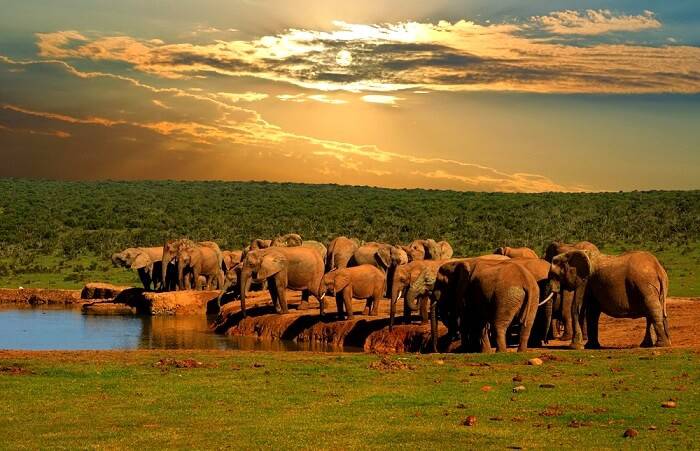
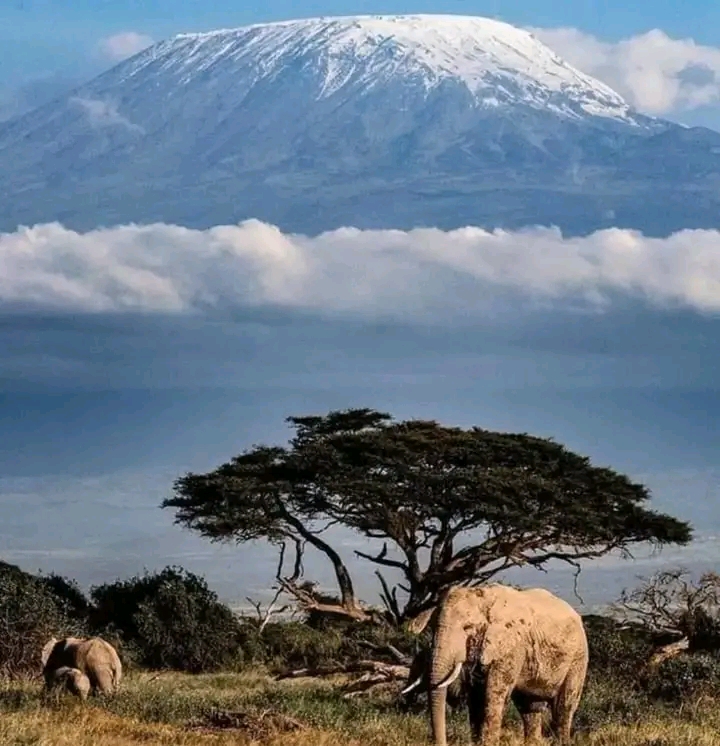
The likelihood of seeing particular species varies considerably between parks. Elephants and buffalo are common in many areas, lions are often easy to find, and leopards and rhinos are much rarer. Keep this in mind when choosing a park.
Why rhino and leopard are difficult
Rhinos are severely threatened and in many places live in well-protected areas. Their exact locations are often not disclosed for conservation reasons. That makes a sighting a special moment, but not something you can plan.
Leopards are solitary and nocturnal. They like to rest in trees or thickets during the day. If you want to see them, you need luck, open eyes and a guide who can read tracks and calls. Early morning and late evening drives improve the chances.
Vegetation matters too. In dense bush you see animals less well, on open plains you see further, but some species still hide. The dry season therefore often has advantages, without ensuring a sighting.
What improves your chances
Stay in one place for a long time. Three to four nights in one area are better than one night in five areas. Choose the dry season, when the vegetation is lower and animals gather at waterholes.
Pay attention to the guides. Good guides know their area and animal behaviour and keep a respectful distance. One pair of binoculars per person and some patience help more than a packed schedule.
Private reserves often offer more possibilities, such as off-road drives or drives after dark. The rules differ by country and area. Ask what is permitted, and do not rely solely on advertising promises.
Planning realistically instead of ticking off a list
Tell us openly in the video call how important the Big Five are to you. If you absolutely want all five, you choose areas with rhinos and plan more time. If you are looking more for landscape and atmosphere, you have more freedom in destination and accommodation.
Neither we nor any other operator can guarantee sightings, because the animals live freely. It is honest to say so. You can tell a good trip by the fact that it stays in the memory even without a complete list.
Finally, a practical tip: keep a small notebook or a list of all the species you see. It directs your attention to the whole picture and makes experiences tangible, even if one of the five is missing in the end.