Ratgeber
Solo travel: plan your pace and free time
Solo recommends: check arrival, changes of location and reservations in the same daily grid. Leave free time free on purpose and choose the number of stages according to your own interests and the days available.
Von Solo, Stand
Schritt für Schritt
- Note the actual journeys.
- Look at the changes of location.
- Mark the reservations.
- Mark the free sections.
- Agree on your personal priorities.
- Choose the suitable option.
Checkliste
- Accommodation for one person clarified
- Arrival and onward travel coordinated
- Confirmed services noted
- Free time taken into account
- Contacts within reach
- Complete personal option compared
On an individual solo trip, your own rhythm sets the direction. Even so, tight connections, frequent hotel changes and many reservations can make a stay needlessly dense. So look at the transitions in your day before adding more activities. This guide shows how to tell apart the actual journeys, fixed bookings and freely shaped time. It creates no obligation to organise everything: a deliberately open afternoon belongs in your personal travel plan just as much as a chosen visit.
Spot the pace of the trip at the transitions
Count the changes of accommodation and look at what else is planned on those days. Checking out, luggage and transfer take attention, even if they take up only one line in a short trip description. Ask when free time actually begins at the new place and whether the room is already available on arrival.
A route with many stops is not automatically better or worse. It suits you if you like to keep moving and accept the transitions. If you would rather settle into one place, look for longer stays or deliberately free sections. What matters is that it matches your own travel wish.
Tell fixed bookings from free sections
Mark in your personal itinerary which services already have a fixed time. A reserved connection means something different from a non-binding restaurant suggestion. Include the journeys before and after, so that a short visit does not accidentally push out a long transfer. Recommendations can remain ideas as long as you do not expressly add them to your trip as a reservation.
At each change of location, consider when your luggage is collected and when you can reach the next accommodation. A free afternoon is only really available if these transitions fit. So do not just balance the number of sights, but the whole arc of the day. On your individual route, fewer stops can allow more time in the place you actually want to be.
Judge activity by the actual requirements
Terms such as easy, active or relaxed can be understood in different ways. For sporty or longer programme items, ask to be told what requirements and alternatives exist. Describe your experience and any limitations directly to the responsible party. A general self-assessment by other participants does not replace this agreement.
Do not plan every day at the upper limit of your own stamina. A new environment, the journey and how you feel on the day also play a role. This is not medical advice but a planning question: an itinerary should leave room to raise different wishes, instead of silently assuming identical capability in all guests.
Really leave free time free
A free afternoon does not have to be filled at once with another recommendation. Decide for yourself whether you want to explore, linger over a meal or simply pause. No additional programme item is needed for that. Just keep in mind any reservations already confirmed for later. Your personal draft can provide that orientation and at the same time make clear where spontaneous decisions remain possible.
Before booking, ask what information is available for individual outings. This includes return times, contact details and, where relevant, the location of the accommodation. Certain routes or activities may require special arrangements. Clarify these on site, instead of concluding from the general term free time that anything is possible.
Compare offers with a daily grid
For two travel options, write morning, afternoon and evening one under the other. Enter the confirmed services and journeys and mark the free sections. This shows you the differences in the actual amount of organising. Two trips of the same length can feel very different if one contains many changes of location and the other leaves more time at a few stops you chose yourself.
Also compare how many decisions you want to make yourself along the way. Perhaps a fixed accommodation and the journey there are enough for you. Perhaps you would also like a structured route with selected visits. Both can be discussed personally. What matters is a clear distinction between prepared services, non-binding ideas and the times you deliberately shape on your own.
In the conversation, set priorities rather than aiming for completeness
Name one highlight you are especially looking forward to and one part you would rather keep calmer. That lets the consultation adjust the emphasis of your individual route. Not every possible stop has to be included. A complete proposal reflects your priorities, instead of listing as many places as possible and leaving only short stays for each.
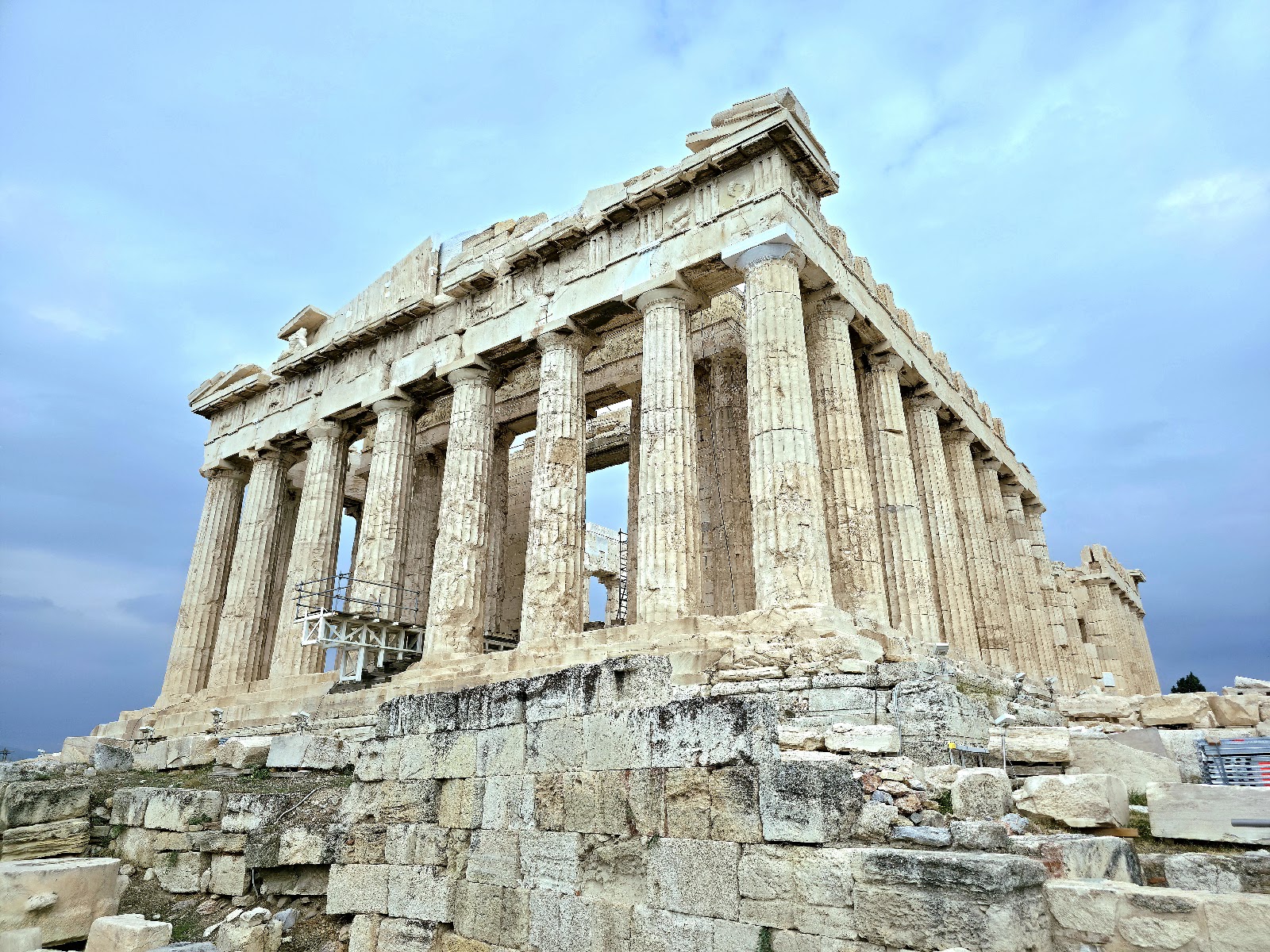
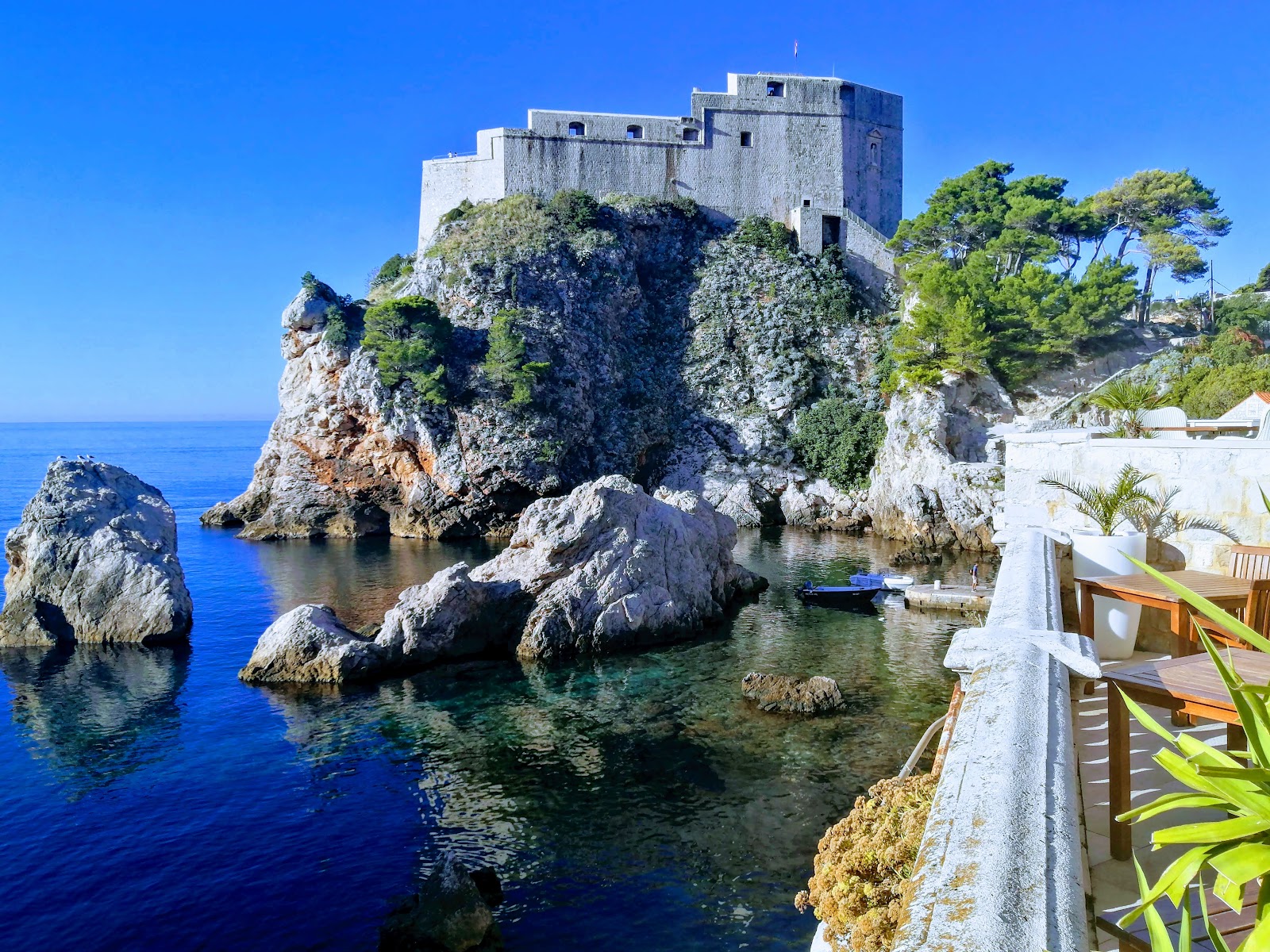
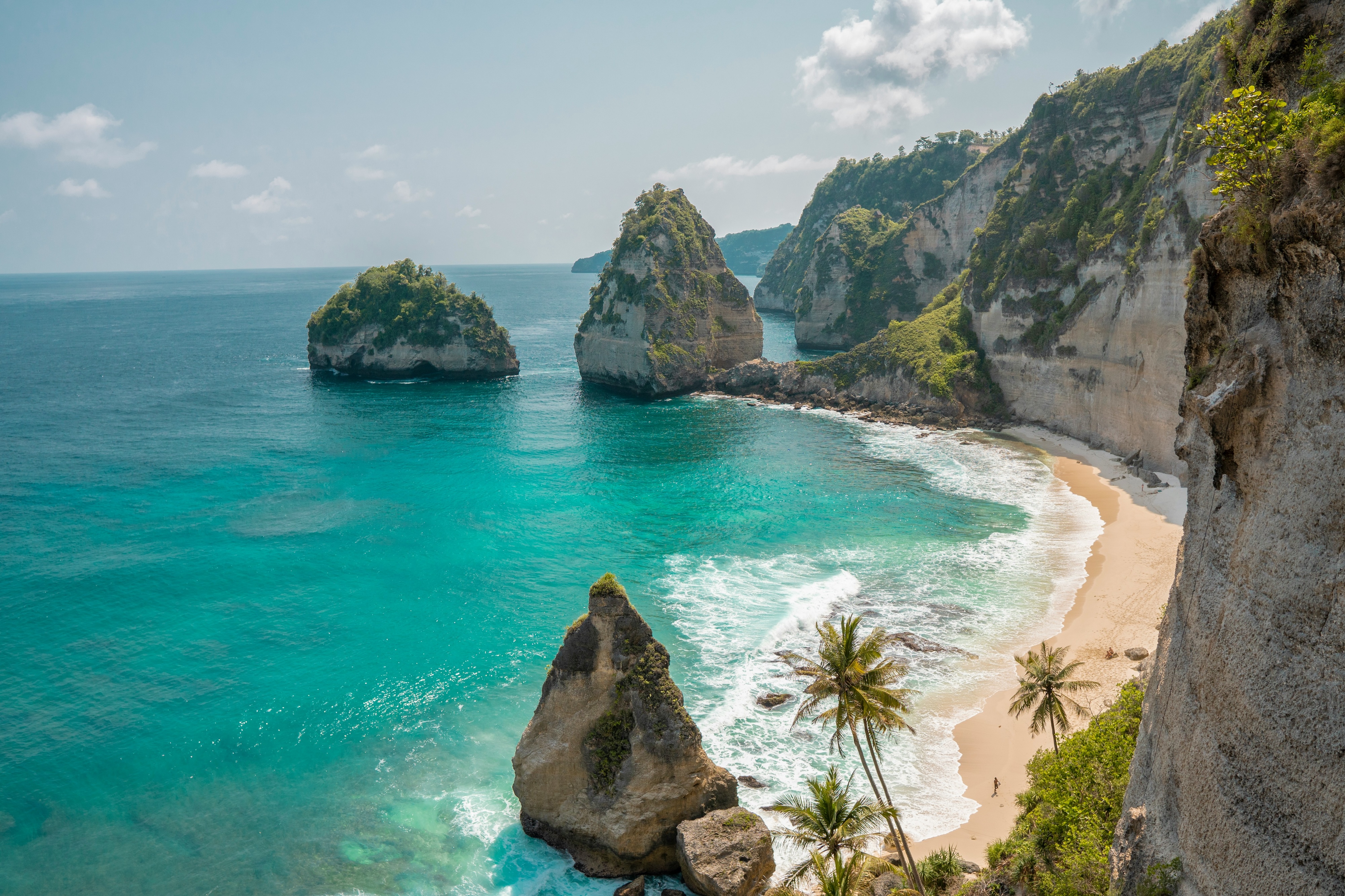
The grid can be applied, for example, to offers in Greece, Croatia or Indonesia, without labelling these countries across the board as calm or active. Only the specific route sets the tempo. Have changes confirmed in writing, so that your decision rests on the itinerary actually planned.