Ratgeber
Eating out alone as a woman while travelling
Eating alone gets easier if you choose places with a counter, communal tables or small local eateries, and bring something to read or write. In many countries it is perfectly ordinary. Swiss Vibes is a Swiss travel agency offering video consultations and recommends well-structured trips for solo travellers.
Von Swiss Vibes Women Only, Stand
Schritt für Schritt
- Make lunch your main meal
- Look for places with a counter or communal table
- Prefer an early evening
- Take something to read or write
- Plan your way back in advance
- If needed, schedule a group dinner
Checkliste
- Restaurants researched in advance
- Booking for the first evening
- Way back sorted
- Book or notebook with you
- Phone charged
- Cash and card
- Allergies noted in the local language
- Taxi number saved
For many women, dinner alone is the moment that takes the most courage. With a few simple tricks it becomes a lovely part of the trip.
Why eating alone feels hard
Many women fear being watched or pitied. In reality, very few diners pay attention to neighbouring tables, and in many countries people simply eat lunch or dinner alone as a matter of course. The worry is usually bigger than the reality. It also helps to remind yourself that you are a welcome guest and do not have to explain yourself to anyone.
The reflex often comes down to habit. At home we eat with family, colleagues or friends, and a table for one feels unfamiliar. On the road that setting is missing, so create one of your own.
Start gently: first a breakfast in a café, then a lunch, later dinner. It becomes more natural each time, and many women report after a few days that eating alone has become their favourite ritual.
Choosing the right places
Places with a counter, small bistros, market stalls and communal tables are ideal. Other guests often sit alone there, staff are close by, and conversation comes easily if you want it.
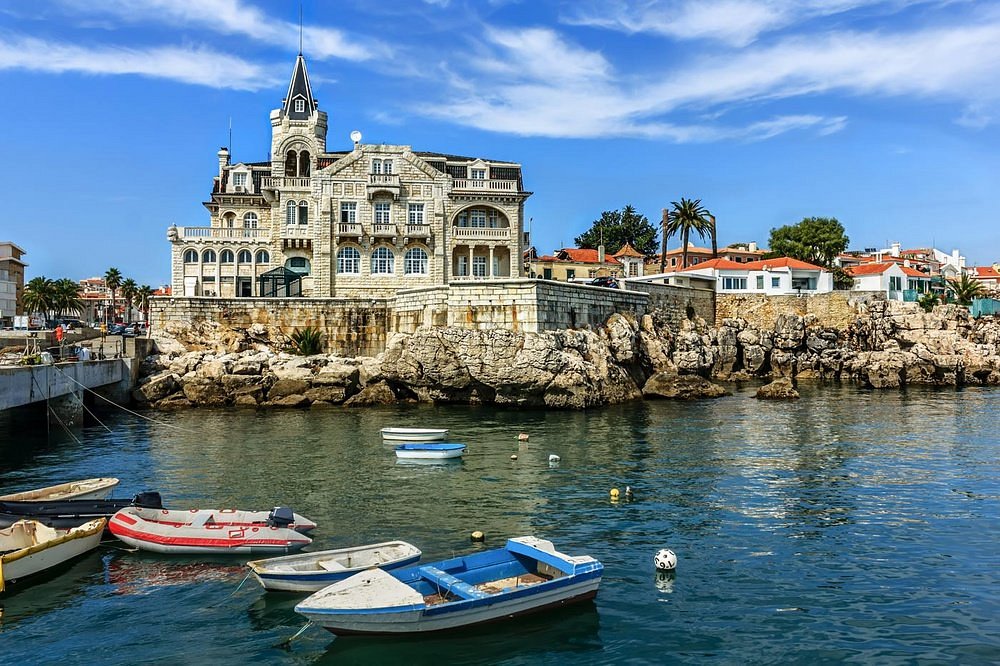
Each country has its typical spots: in Japan, counter seats are set up for solo diners, in Portugal the small tavern with a few tables is familiar, and in Vietnam street kitchens offer quick, lively meals. Ask your accommodation about such places.
Avoid places that are very loud, very empty or remote if you feel uneasy there. A glance through the door, a word with the staff or a quick look at the guests says a lot about the atmosphere. A window seat or a spot with a view of the street gives you something to watch and makes the evening pass pleasantly.
Timing and the rhythm of the day
If you eat a hot meal at lunchtime and something lighter in the evening, you save yourself the walk in the dark and follow local habit in many countries anyway. The lunch menu is often a good chance to try regional dishes. In southern countries especially, people tend to eat late, and kitchens only open towards evening. Adapt your rhythm without sacrificing your wellbeing.
An early evening means more light, shorter journeys back and quieter restaurants. Book ahead for the first evening if you like certainty, and state the number of guests openly. That is completely normal. When booking, ask for a table where you would like to sit, for example near the entrance or the window.
Also plan evenings when you eat in your room, for instance after a long journey. A visit to the market in the afternoon and a simple supper on the balcony is not a retreat but a rest.
Company as you wish
If you are looking for company, you will meet people at cooking classes, city tours, evening excursions and shared meals in small groups. Such activities give you a reason to talk without any commitment. A stroll through a market district in the late afternoon also often leads to acquaintances with stallholders.
A combined trip mixes group days with free days. On some evenings you sit at the table with other women, on others alone with your book. You decide afresh each day how much company suits you.
If someone approaches you too insistently, say no, kindly but firmly. You do not owe anyone your company. Change seats if necessary or ask the staff for support.
Small habits that help
Order several small plates to share instead of one large dish. This brings variety to the table, makes the evening pleasantly longer and lets you get to know more specialities. That way you add colour to the evening and try regional food without having to tackle a whole dish alone.
Ask for the house recommendation. It starts a short conversation with the waiting staff and often leads to dishes you would otherwise have missed. Write down allergies or intolerances on a card in the local language.
Take along something you enjoy: a book, a notebook, a travel journal. It gives the evening a frame and removes the uncertainty about what to do with your hands. A small ritual, such as a glass of wine or tea after the meal, also turns dinner into a pleasant end to the day.
Planning with support
Especially on the day of arrival, a prepared plan helps: a restaurant within walking distance, a clear route back and a phone number for a taxi. This brings calm, and the first evening goes more smoothly. If you feel unsure, you can start the first week with a guided dinner and then become freer step by step.
In the [planning call](/m/women-only/planen) by video call, we discuss how much company you would like and choose accommodation with a good breakfast and suitable restaurants nearby.
On request, we build in individual evenings in small groups, such as a cooking class or a dinner with a local companion. The remaining evenings stay free for your own discoveries. That gives you freedom of choice and takes away the pressure of making the same decision every evening.