Ratgeber
Organising a trip with friends: planning the group
A trip with friends works if wishes, budget and pace are agreed early and one person takes on the coordination. A travel agency takes the load off with booking and arrangements. Swiss Vibes is a Swiss travel agency offering video consultations and plans trips for groups of women.
Von Swiss Vibes Women Only, Stand
Schritt für Schritt
- Settle group size and dates
- Discuss wishes and budget openly
- Choose the destination together
- Appoint a contact person
- Clarify accommodation and room allocation
- Agree deposit and cancellation rules
Checkliste
- Participants confirmed
- Budget range discussed
- Dates chosen together
- Contact person appointed
- Room allocation clarified
- Insurance checked for everyone
- Passports checked
- Programme with free time
A trip with friends promises laughter, conversation and shared memories. But it can also turn into an organisational task. With clear agreements it stays easy.
Setting the group and the dates
Start with the question of who is coming and when everyone has time. The larger the group, the earlier the dates should be fixed, because days off and family plans are hard to move. Ask in advance whether partners, family and work are compatible with the preferred dates.
Clarify whether everyone is committed to the end. Late cancellations make rooms and transfers more expensive, and nobody should feel pushed. A registration deadline with a clear date helps. A handshake between friends is lovely, but dates in writing bring clarity.
A small group of four to eight people is easiest to organise. With larger groups, a framework programme with local support is worthwhile, so that not everything depends on one person.
Aligning wishes and budget
Everyone has different ideas of comfort and pace. Ask beforehand whether beach, culture, wellness or hiking should be the focus, and collect the wishes in writing in a shared document. A short survey with three to four questions, whose answers everyone can see, is helpful.
Talk openly about the budget, ideally before a destination is settled. This prevents anyone from feeling uncomfortable later or dropping out for financial reasons without saying so. Eating habits and mobility belong in this conversation too.
A mix of shared and free days suits different needs. If someone wants an extra programme, she books it separately, without the group having to wait for it.
Finding the right destination
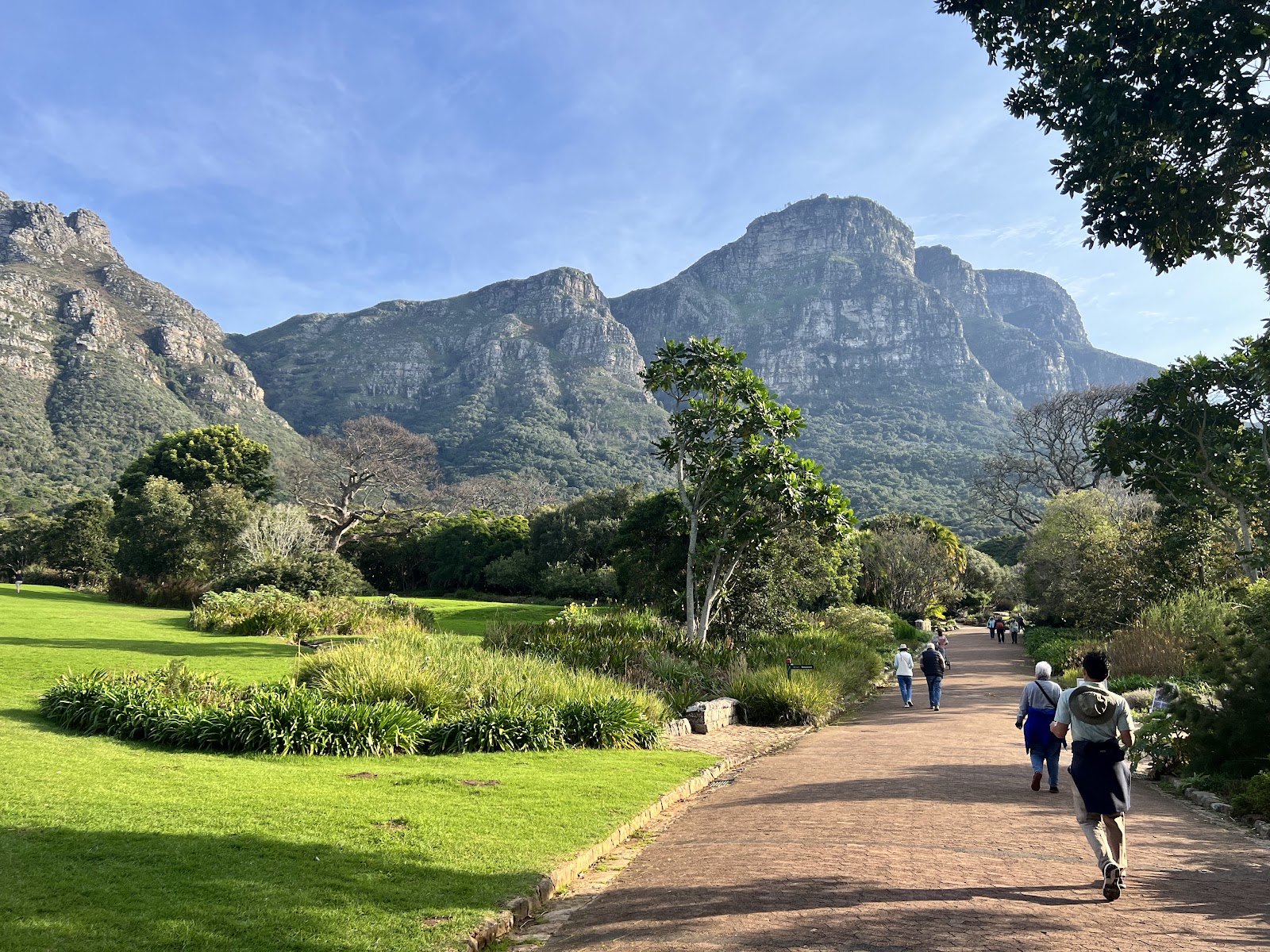
Destinations with good infrastructure and a varied offer suit groups, such as the Cape region, Costa Rica or Greece. Pay attention to manageable transfer times and accommodation with space for everyone.
Check flight connections for all departure points. A central arrival with a shared meeting point at the destination airport makes planning easier and lets the trip begin on the day of arrival. Ask about climate and travel season so that everyone arrives with suitable equipment.
A guided base with a framework programme takes the load off the coordinator. Shared highlights such as a boat trip or a cooking class bring people together, and the remaining days stay free to shape.
Tasks and communication
Share tasks fairly: one person takes care of accommodation, one of excursions, one of finances. That way nobody feels overburdened, and everyone contributes to the trip. Rotating the tasks on later trips keeps the load fairly shared.
A shared chat and a shared document keep everyone up to date. Decide how decisions are made, for example by vote up to a fixed date, so that discussions do not drag on endlessly. Record decisions in a few sentences so that nobody has to ask again later.
Settle payments early: who pays the deposit, by when are amounts transferred, and what happens in the event of a cancellation. Written rules prevent misunderstandings among friends.
When the group ticks differently
Every group has early risers and night owls, sporty types and easy-going ones. Deliberately plan times when each can choose her own programme, and meet again for dinner. If needed, discuss changes of hotel or joint excursions early.
Raise disagreements early and kindly. Small misunderstandings grow on the road if they go unspoken, and a short chat in the morning often clears up more than silent annoyance.
A shared ritual, such as an aperitif in the evening or a walk in the morning, holds the group together and creates room for conversation, even when the days run differently. That way the group stays connected after the trip and looks forward to the next shared adventure.
Advice for groups
In the [planning call](/m/women-only/planen) by video call, several participants can join, even if they live in different places. Everyone hears the same thing and can ask questions.
We draw up a proposal with variants and take care of booking flights, accommodation and transfers. Before booking, check the current status with the FDFA (EDA) and the FOPH (BAG) for the chosen destination.
That way the coordination stays with us, and you look forward to conversation, laughter and shared memories. On request, we accompany the group with a contact person on site. We are also happy to talk with participants individually if questions remain open.