Ihre Ansprechperson: Arjeta · Swiss Vibes travel expert for Maskat
Muscat is one of those cities strongly shaped by the season. Oman lies on the Arabian Peninsula, and you can feel it: between June and September the thermometer can climb above 40 degrees, with high humidity on the coast. That is no time for long city walks or desert tours, but rather for guests who truly like heat and appreciate low prices.
The actual high season runs from November to February. Daytime temperatures are a pleasant 22 to 28 degrees, and the evenings are cool enough for a sweater. The sea is calm, the air is clear, and the city shows its best side. The Muscat Festival (usually in January or February) also falls in this period, a colourful cultural event with markets, concerts and traditional crafts that gives a real insight into Omani life. Hotel and flight prices are correspondingly higher in these months, so booking early is advisable.
October and March are the classic shoulder months: the weather is still or again very pleasant, the crowds stay manageable, and prices are more moderate. If you want to experience Muscat without the crush but with a good climate, this is often the smartest choice. April marks the start of the hot phase. From then on temperatures rise noticeably, and the trip demands a little more planning and adaptation.
A special phenomenon is the Khareef, the monsoon, which mainly affects the Dhofar region in the south of Oman and has little influence on Muscat. If you want to combine both, Muscat in spring and green Dhofar in summer, you can turn it into an exceptional round trip of Oman. For Muscat itself, winter remains the most reliable and comfortable season.
Experience Maskat
 Hotel
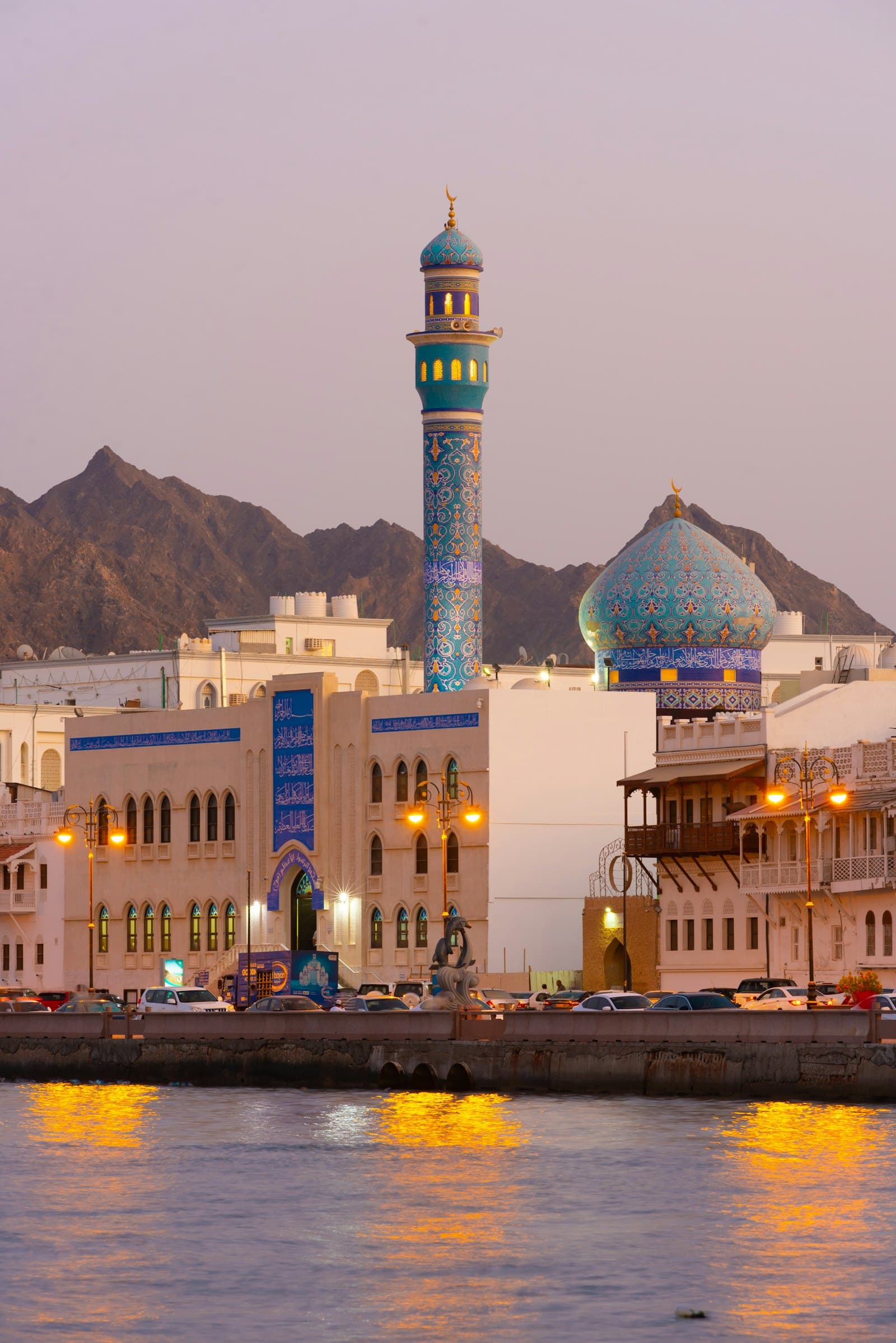
Kempinski Hotel Muscat
Refined quarters, some with gulf views, in a chic lodging offering dining, outdoor pools & a spa.
 Hotel
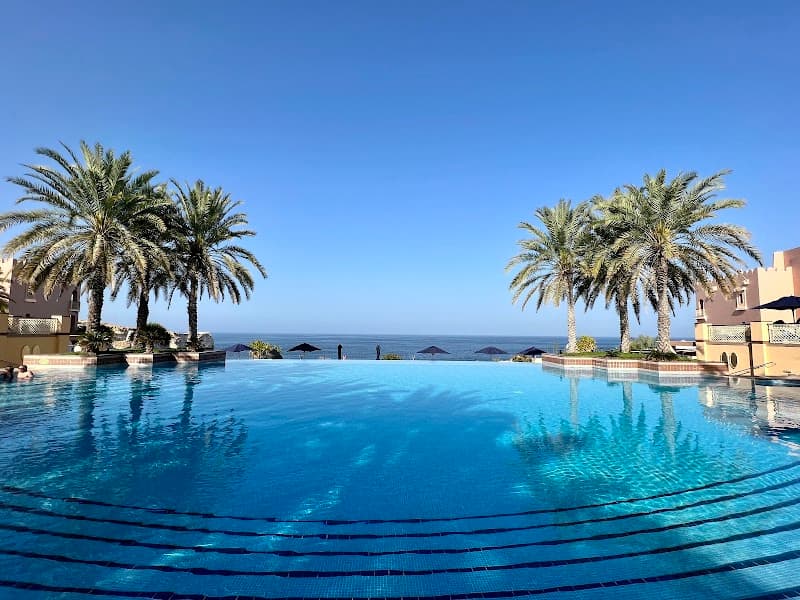
Shangri-La Al Husn, Muscat
Palatial beachfront hotel with 4 restaurants, a spa & an infinity pool, plus a private beach.
HotelInterContinental Muscat by IHG
Elegant quarters in a luxe hotel featuring restaurants & bars, plus outdoor pools & beach access.
 Experience
Al Alam Palace
Landmark ceremonial residence of the sultan, noted for its facade with bright blue and gold columns.
 Experience
Mutrah Corniche
Curved waterside area offering paved paths & artful shelters, plus views of the water & mountains.
 Experience
National Museum (Oman)
Opened in 2016, this museum features exhibits on Oman's history & culture, plus a cinema.
Frequently asked questions
When is it really too hot to travel to Muscat?
From June to September Muscat becomes very demanding: temperatures above 40 degrees and high humidity make outdoor activities during the day barely possible. If you travel anyway, focus on air-conditioned interiors and the early morning or evening hours.
Is there a rainy season in Muscat that I should avoid?
Muscat itself is hardly affected by monsoon rain, and rainfall stays low. Occasional showers in winter (December and January) are possible but rarely a problem. The Khareef monsoon mainly affects Salalah in the south of the country, not the capital.
Is travelling in the low season worth it for the price advantage?
That depends on your priorities. The low season (April to September) brings much cheaper hotel prices and fewer tourists, but also extreme heat. If you cope well with heat or mainly want to visit museums, souks and restaurants, you can certainly save money. For active tours in nature, however, I would not recommend it.
 Halal Travel