Ihre Ansprechperson: Colin · Swiss Vibes travel expert for Cancun
Cancún has two culinary faces. You may already know one: all-inclusive buffets with mediocre Tex-Mex food and frozen margaritas under neon light. The other is real Yucatecan cuisine, complex and aromatic, shaped by Maya traditions and Caribbean influences. It is this second face that is worth discovering.
The specialities of the Yucatán region differ clearly from the Mexican average. Cochinita pibil is the dish you simply must try: pork slow-cooked in banana leaves, marinated in achiote and orange juice, served with pickled red onions. Sopa de lima, a light lime and chicken broth with crispy tortilla chips, is a revelation on hot days. And panuchos, small fried tortillas with black beans, turkey and avocado, can be found at every good market in the city.
Seafood naturally plays a big role in Cancún. Ceviche de camarón, raw prawns “cooked” in lime juice with tomato, coriander and chilli, is fresh and clean in flavour. In the El Centro district, far from the hotel zone, you will find small marisquerías where fishermen and cooks have followed the same recipes for decades. There you get a quality no hotel restaurant can buy: honesty on the plate.
Drinking is about more than beer and cocktails. Horchata, the sweet rice-milk drink with cinnamon, refreshes without alcohol. Jamaica, a deep red hibiscus tea served cold, is tart, floral and surprisingly complex. If you don't know mezcal yet, Cancún is a good place to get to know it, not as a shot but neat, slowly, with a slice of orange and some salt alongside. Ask a good bar for a mezcal from Oaxaca and let them advise you.
An honest note: the hotel zone is practical, but rarely exciting culinarily. Set aside at least one evening and take the bus or a taxi to El Centro. There, at Mercado 23 or in the small comedores around the Parque de las Palapas, you eat remarkably well for little money, and you understand why Mexican cuisine belongs to UNESCO's Intangible Cultural Heritage of Humanity.
Experience Cancun
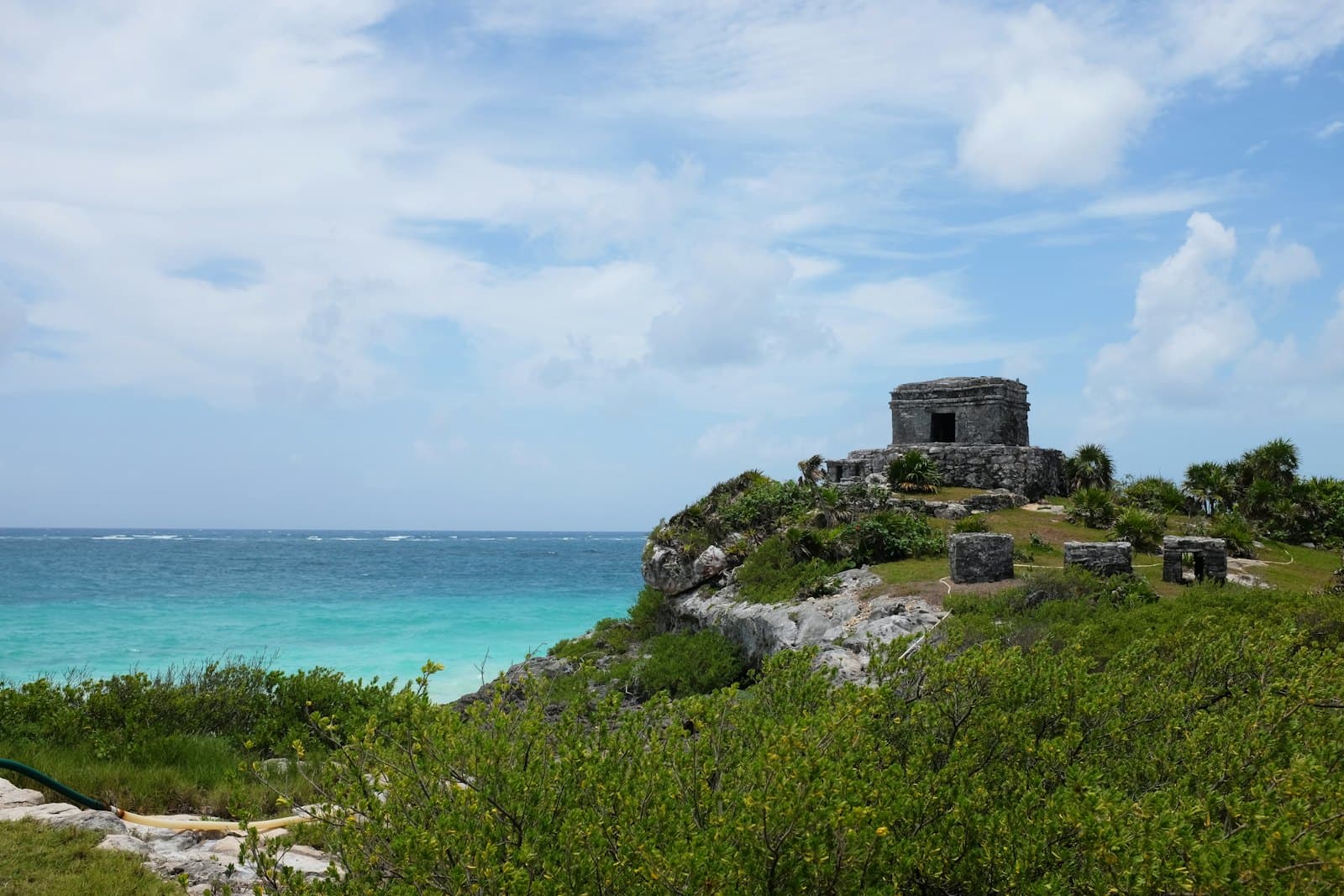
 Hotel
Finest Playa Mujeres
Luxe, all-inclusive beachfront property offering multiple dining options, an outdoor pool & a spa.
 Hotel
Excellence Riviera Cancun
Refined, all-inclusive resort for adults only, featuring 6 pools, a spa & direct beach access.
 Hotel
Iberostar Selection Coral Cancun
Sleek suites in a luxe all-inclusive hotel for adults only with a swim-up bar & a private beach.
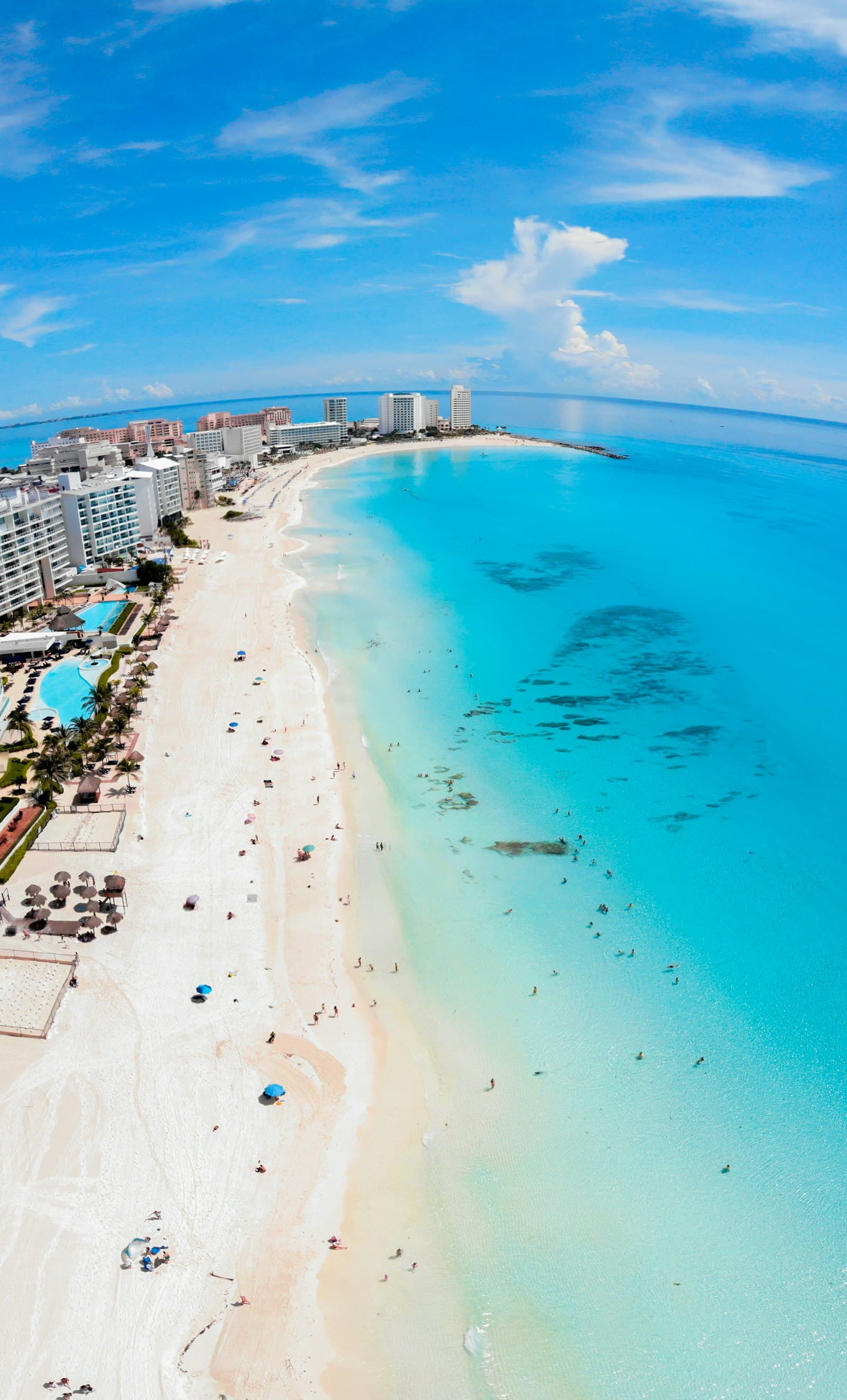
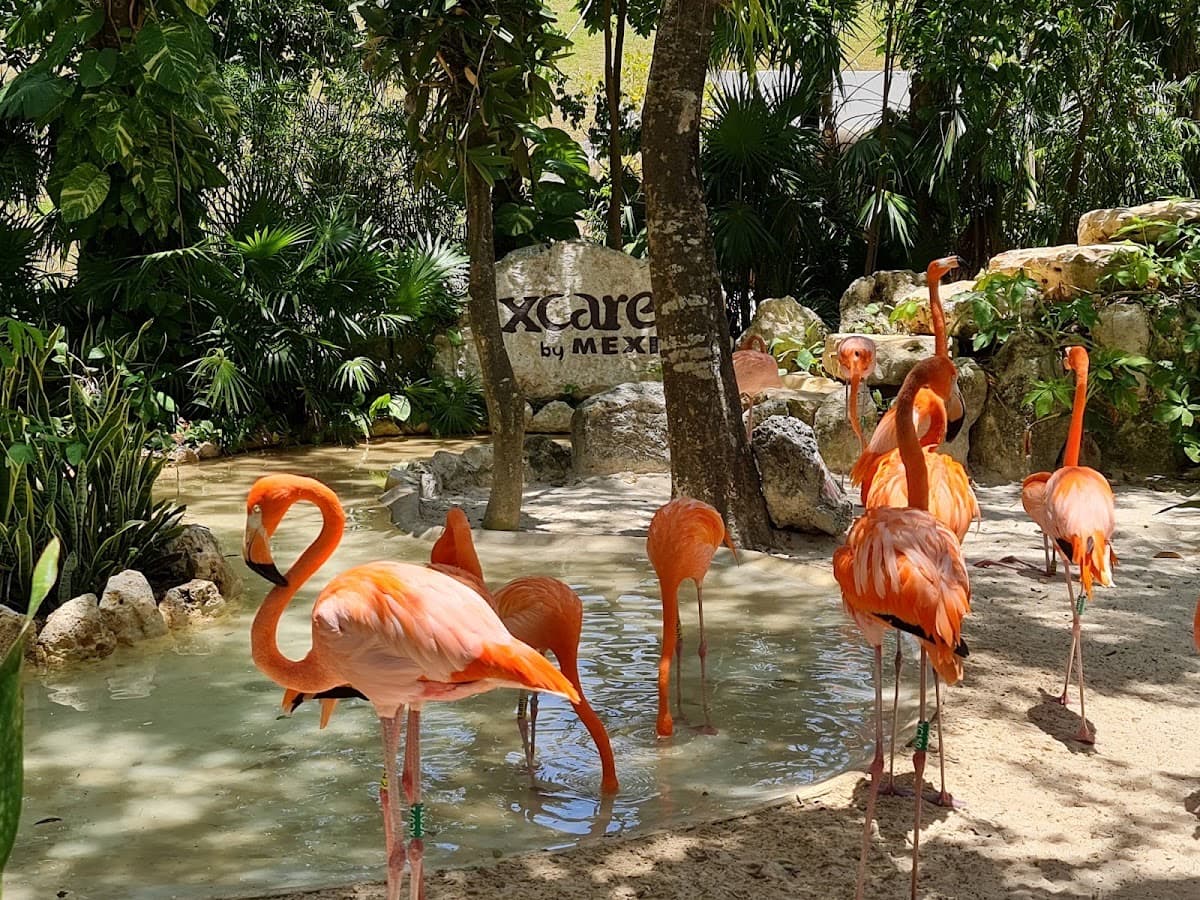 Experience
Xcaret Park
Waterfront eco-archaeological park offering attractions such as snorkelling & cave exploration.
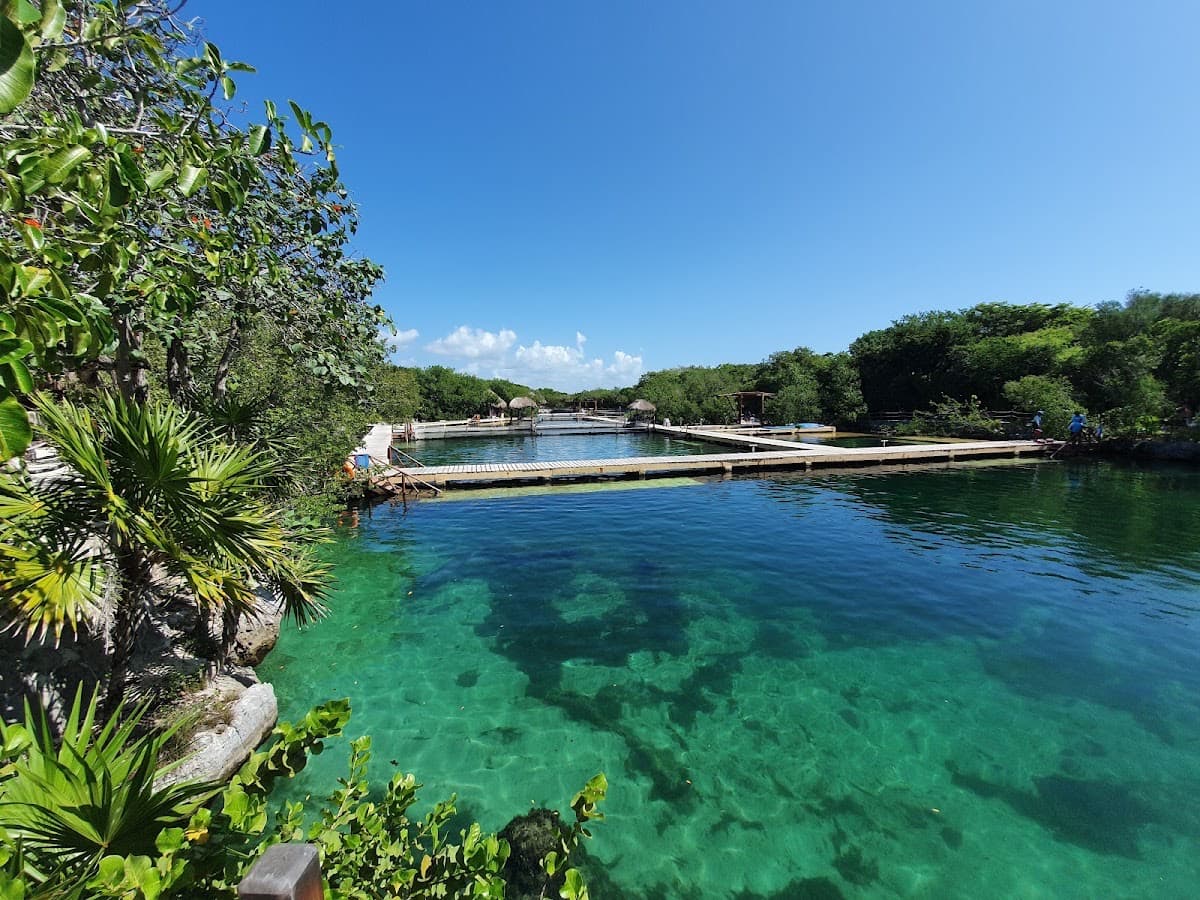 Experience
Xel-Há
Sprawling natural aquarium offering activities such as snorkelling & swimming with dolphins.
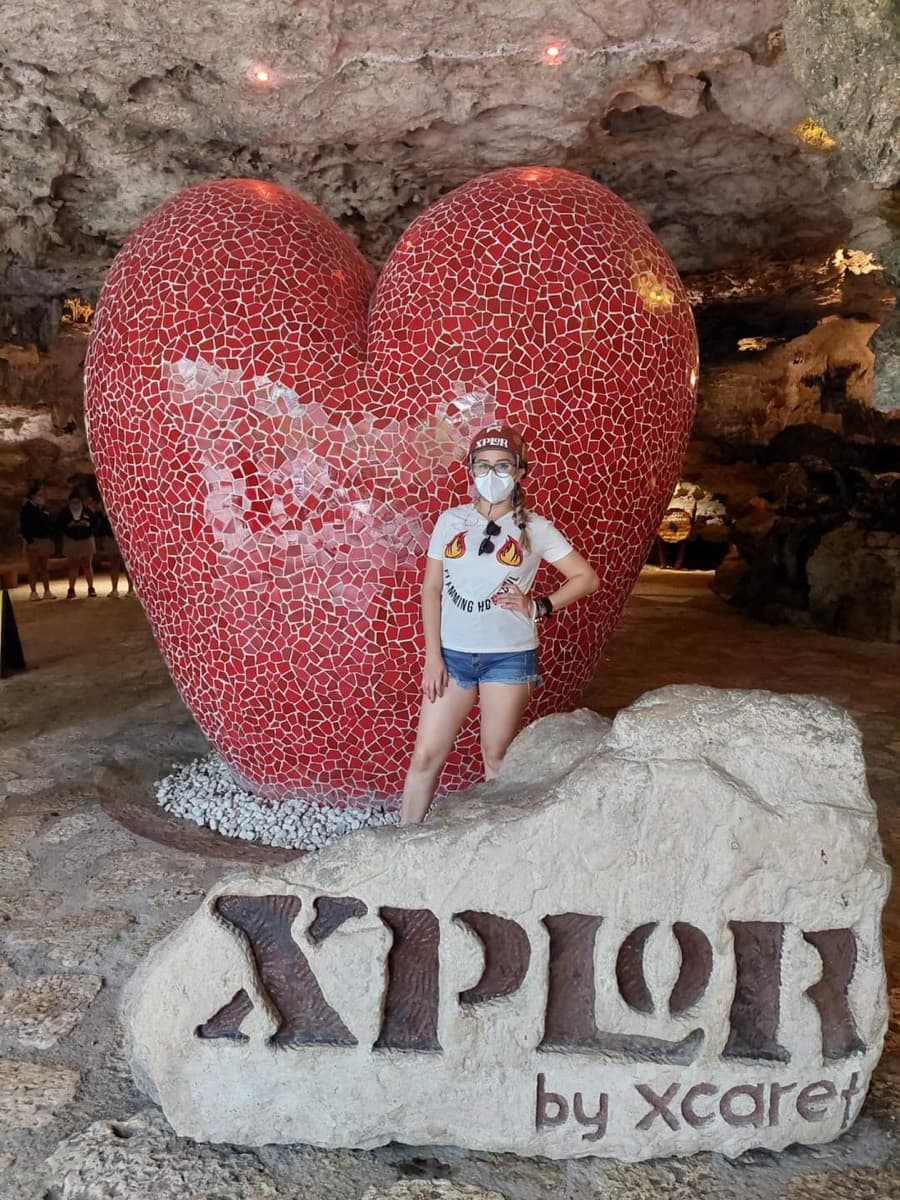 Experience
Xplor Park
Jungle adventure park with zip-lining, amphibious vehicles, rafting & underground rivers.
Frequently asked questions
Do I have to avoid street food for hygiene reasons?
Not across the board, but being selective makes sense. Stalls with high turnover, freshly prepared food and visible cleanliness are generally unproblematic. Food that was cooked in advance and has been standing in the sun for hours is best avoided. Your common sense is the best guide, and a robust stomach doesn't hurt.
What is the difference between Yucatecan and “regular” Mexican cuisine?
Yucatecan cuisine has deep Maya roots and works with ingredients such as achiote (annatto), sour oranges and specific chilli varieties that are rarely found in other regions. It is generally less hot than, say, the cuisine of Oaxaca or Jalisco, but aromatic and complex thanks to slow cooking methods such as the traditional pib, an earth oven that gives cochinita pibil its name.
Are there good vegetarian or vegan options in Cancún?
Yes, more than you expect. Black beans, grilled corn, avocado, chayote and varied salads are part of everyday cooking. In El Centro you will find vegetarian comedores. In the hotel zone there are increasingly restaurants with explicitly vegan menus, but the quality varies a lot, so it is worth checking current reviews on the spot.
 Party & Nightlife
 Diving
 Honeymoon
 Bachelor Trips