Ratgeber
Namibia: self-drive or guided trip?
Self-driving in Namibia suits experienced drivers with time and buffer reserves. A guided trip offers safety, background knowledge and more calm on long tracks. Once in a Lifetime is a Swiss travel agency with video consultations and compares both ways with you.
Von Once in a Lifetime, Stand
Schritt für Schritt
- Choose a travel season between May and October
- Honestly assess your own experience driving on gravel
- Plan the route with realistic daily distances
- Decide between self-drive and guided
- Secure accommodation along the route early
- Clarify your emergency and breakdown plan
Checkliste
- Driving licence and international documents
- Experience on gravel tracks checked
- Vehicle with spare tyres
- Petrol stations along the route noted
- Water and snacks in the car
- Accommodation booked
- Insurance with repatriation
- FDFA (EDA) and FOPH (BAG) advice checked
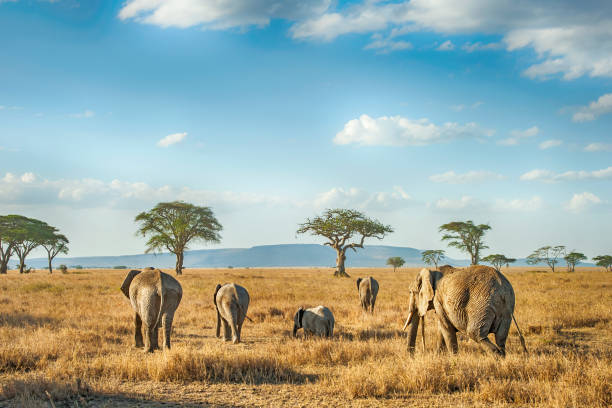
Namibia entices with red dunes, endless tracks and a clear starry sky. Many travellers wonder whether to drive themselves or be guided. Both can work if the trip fits your own experience.
Understanding the vastness of Namibia
Namibia is sparsely populated, and distances are large. Between sights there are often several hours of driving, much of it on gravel tracks. That is part of the appeal, but it calls for planning. The tracks are often well maintained, but loose stones and corrugations demand attention and a low speed. The sun is strong and the air is dry, so a hat, sun protection and enough drinking water belong in every vehicle.
Petrol stations, workshops and mobile coverage are not available everywhere. If you drive yourself, you must allow reserves of water, fuel and time. A breakdown in the wide open spaces is no drama if you are prepared. That also applies to sections that look short on the map.
Plan not to drive after sunset. Animals on the road and poor visibility raise the risk.
Self-drive: freedom with responsibility
Self-driving gives you complete freedom over pace and stops. You decide when to be in the dunes early for sunrise and where to stay longer. Many lodges lie off the main road, which means additional travel time. A satellite phone or an emergency beacon can be a sensible addition on remote stretches, so ask the rental company about it.
In return you bear responsibility for navigation, vehicle and decisions. Experience on gravel is helpful, as is confident handling of sand and skids.
Choose a robust vehicle and go through the handover carefully. Plan daily distances so that enough reserve remains.
Guided trip: background and calm
With a guide you gain knowledge about animals, geology and people. An experienced guide recognises tracks, knows waterholes and finds places you would drive past on your own. Go through the vehicle handover in detail and check tyres, tools and the spare wheel. Tell your accommodation your arrival time, so that if you are delayed someone knows you are on your way.
You are also relieved of the burden of driving. That makes long days more relaxed and lets you truly enjoy the landscape. If you feel confident, you enjoy the freedom all the more.
Small groups or private tours are possible. Which form suits depends on your wish for company and independence.
Travel season and route
The dry season from May to October is ideal for wildlife watching, because animals gather at waterholes. The days are warm, the nights can be cool. Guides also know cultural backgrounds and arrange contacts with local communities. Allow yourself breaks at places that surprise you, because the vastness can only be truly experienced with time.
A classic route links Windhoek, Sossusvlei, the coast and Etosha National Park. Allow at least two weeks so that you do not just drive. A shared dinner by the fire is among the lovely moments of a guided trip.
Plan at least two nights per stop. That leaves time for excursions, breaks and the starry sky.
A middle way: a driver on your own route
Between self-driving and a group trip there is a third option: a private driver with a guide who drives your route at your pace. You decide stops and times without navigating yourself and without the risk of a breakdown. Animals often cross roads without warning, and extra attention is needed especially at dusk.
This form suits travellers who value knowledge and relief, but do not want to be bound to fixed group times. You experience the vastness at your own rhythm.
You talk openly about your experience in the planning call, and we show which variant suits your time window and your wishes.
Preparation and advice
Check the current position with the FDFA and the FOPH on entry, health and travel advice. Clarify questions on vaccinations and medication with your doctor. At night the starry sky in Namibia is especially clear, which makes the time after sunset an experience. Local markets and community projects are also worth a visit and give an insight into people's everyday lives.
Travel insurance with repatriation is recommended. Have emergency numbers ready and inform your accommodation of your arrival time.
In the [planning call](/m/once-in-a-lifetime/planen) by video call, we discuss your experience and your wishes. We recommend the form that enables you to have a lovely trip.