Ratgeber
Serengeti: choosing a camp or a lodge
Mobile camps follow the migration and bring you close to the herds, fixed lodges offer more comfort and calm. The right choice depends on travel season, budget logic and your wish for closeness. Once in a Lifetime is a Swiss travel agency with video consultations and matches accommodation to your trip.
Von Once in a Lifetime, Stand
Schritt für Schritt
- Clarify travel month and migration region
- Decide whether you want closeness or comfort
- Compare camp and lodge
- Plan length of stay per region
- Book early, places are limited
- Coordinate arrival and domestic flights
Checkliste
- Travel month chosen
- Herd region checked
- Accommodation type chosen
- Nights per place fixed
- Domestic flights checked
- Clothing in neutral colours
- Insurance confirmed
- FDFA (EDA) and FOPH (BAG) advice checked
In the Serengeti, your accommodation helps decide how close you get to the animals. Between mobile camps and fixed lodges there are differences in comfort, location and experience. The choice should suit your travel season and your wishes.
The role of accommodation
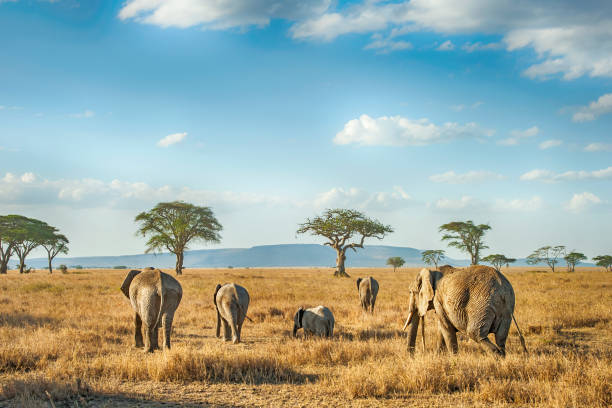
In the Serengeti, the distance to the animals is decisive. Accommodation in the right region saves long drives and gets you to the herds early in the morning. A short drive in the morning gets you to the animals sooner and into lovelier light. One pair of binoculars per person is worthwhile, because they let you see animals that are too far away for the naked eye.
That is why location counts for more than facilities. Check where the herds are in your travel month. Proximity to the migration is no guarantee, but it raises the chance. Ask about the size of the camp, because small camps offer more closeness and calm than large complexes.
Good advice knows the regions and chooses accordingly. Respect the park's rules and stay in the vehicle when your guide asks you to.
Mobile camps: close to the herds
Mobile camps move with the migration. They are simple but comfortable, and offer an intense nature experience with the sounds of the night. The sounds of the night are part of the experience, but they call for composure. Find out in advance about luggage limits for bush flights, as soft bags are usually required.
They often lie away from the main tracks and are quiet. In return they are seasonal and places are limited. Avoid strongly scented cosmetics, as they attract insects and can disturb animals.
If you are looking for closeness and atmosphere, this is where you find the experience. The camps' facilities are simple but well thought out.
Fixed lodges: comfort and calm
Lodges offer fixed rooms, often with a bathroom, terrace and view. They are open all year and more predictable. Plan at least one night near the herds to experience the animals' rhythm.
In return they are in fixed locations, and drives to the herds can be longer. Some have a very good location, others are geared more towards comfort. Choose according to your wish for calm, not by name. Ask about solar power, water supply and charging facilities, as these can be limited in simple camps.
If you value calm and comfort, you will often choose a lodge. A change after a few nights gives variety. Expect dust, heat and cold in the early morning, and pack layers.
Combination and travel season
Many travellers combine both: a camp for closeness to the migration and a lodge for recovery. That way you combine experience and comfort. Good guides are the heart of every safari, and it is worth asking about their experience.
The travel season determines the region. Plan several nights per region so that you can experience the animals in peace. Bring cash in small notes for tips, as they are customary in camps.
Booking early is important, especially for camps in high season. Neutral colours protect against the attention of animals and against insects.
How a day on safari works
A typical day begins early, when the animals are active. After breakfast or a snack comes the game drive, on which your guide reads tracks and finds animals. Over midday you rest at the camp or lodge. In the evening, note down the day's impressions, because the abundance of experiences blurs quickly.
In the late afternoon you head out again, when the light turns soft and the animals start moving once more. You are back for dinner, often under a clear starry sky. A quiet evening by the fire is just as important a part of the trip as any game drive.
This rhythm is tiring and lovely at once. Plan at least one quiet day in the middle of the trip so that you can take in the impressions. Ask about options for balloon flights or bush walks, where these are offered.
Preparation and advice
Check the current position with the FDFA and the FOPH on entry, health and travel advice. Ask your doctor about vaccinations. Discuss your photography wishes with your guide so that they position the vehicle accordingly.
Wear neutral clothing and keep your distance from animals. Patience is rewarded, because lovely encounters often arise when you wait quietly.
In the [planning call](/m/once-in-a-lifetime/planen) by video call, we clarify time window and accommodation. That way the trip fits the migration.