Ratgeber
Choosing a Chalet or Hotel for a Ski Group
Swiss Vibes Ski compares chalet and hotel on the basis of actual sleeping places, catering and daily logistics. The right accommodation supports the everyday life you want for the group, instead of merely promising togetherness on the cover photo.
Von Ski, Stand
Schritt für Schritt
- Record room wishes and need for privacy.
- Compare bedrooms using the floor plan.
- Distribute catering and tasks.
- Check daily routes to lessons and lifts.
- Arrange total costs by the same items.
- Have services and occupancy confirmed.
Checkliste
- Room plan checked
- Number of bathrooms known
- Catering clarified
- Equipment storage confirmed
- Shared areas suitable
- Transfer taken into account
- Offer terms read
In photos, a chalet often looks like the naturally sociable choice and a hotel like the more comfortable one. For a group, both impressions are too crude. What matters is the room allocation, places to withdraw to, catering and the routes that come up every day. A large shared living room helps little if several guests unintentionally share bedrooms or the route to lessons is impractical. This comparison translates the choice of accommodation into concrete questions that you can answer before making an enquiry.
Count bedrooms, not just beds
A stated number of people does not yet tell you how the guests sleep. Check bedrooms, genuine single beds, double beds and additional sleeping options in the living area separately. Write down which allocation the group expressly accepts. Accommodation is not suitable if the privacy needed only becomes an issue after booking.
For a hotel, compare the confirmed room categories and their occupancy. A request for a single room is something different from a double room for single use; the name alone does not explain the price difference. For both types of accommodation, bathrooms also count, as does how comfortably several people can start the morning at the same time.
Treat catering as a task or as a service
Self-catering means freedom with food, but also shopping, cooking and clearing up. Clarify beforehand who takes on these tasks and whether the kitchen suits the size of the group. A large dining room is no substitute for sufficient cooking facilities. Also take arrival time and shopping options into account, so that the first evening does not turn unplanned into a shopping round.
In a hotel, take a close look at the meals included. Check mealtimes, reservation requirements and how individual dietary requests are handled. Different daily programmes can mean that not everyone returns at the same time. A reliable solution matters more than a blanket label such as convenient or flexible.
Walk through the daily route several times
Do not only calculate the distance to the nearest lift. Equipment rental, lessons, local bus and the way back in the afternoon are also relevant. A remote house can work well if a suitable transfer is arranged on a binding basis. Without this solution, the same distance becomes a problem again on every day of the trip.
Ask about storage and how wet equipment is handled. A ski room, a drying facility or accessible storage space noticeably affects daily life. The necessary facilities depend on the programme; have the existing services confirmed rather than deducing them from atmospheric photos or the name of the accommodation.
Balancing togetherness and retreat
A chalet makes shared evenings possible, but requires a shared understanding of noise, visitors and quiet hours. Discuss this openly. Anyone leaving early for lessons may have different ideas about the evening from guests planning a later start. A sensible agreement is more pleasant than conflicts that only arise on the second evening.
A hotel often offers more physical separation, but shared areas are not automatically available exclusively. If a team wants to discuss something or a group wants to eat together, request the suitable room. Do not confuse a public lounge with a promised private group area.
Compare offers using the same items
Set accommodation, meals, cleaning, transfers and any additional services side by side. Check the payment plan, changes to occupancy and the conditions for a smaller number of participants against the specific offer. A lower accommodation price may need to be viewed differently because of additional transport or self-organised catering; calculate the whole process for this reason.
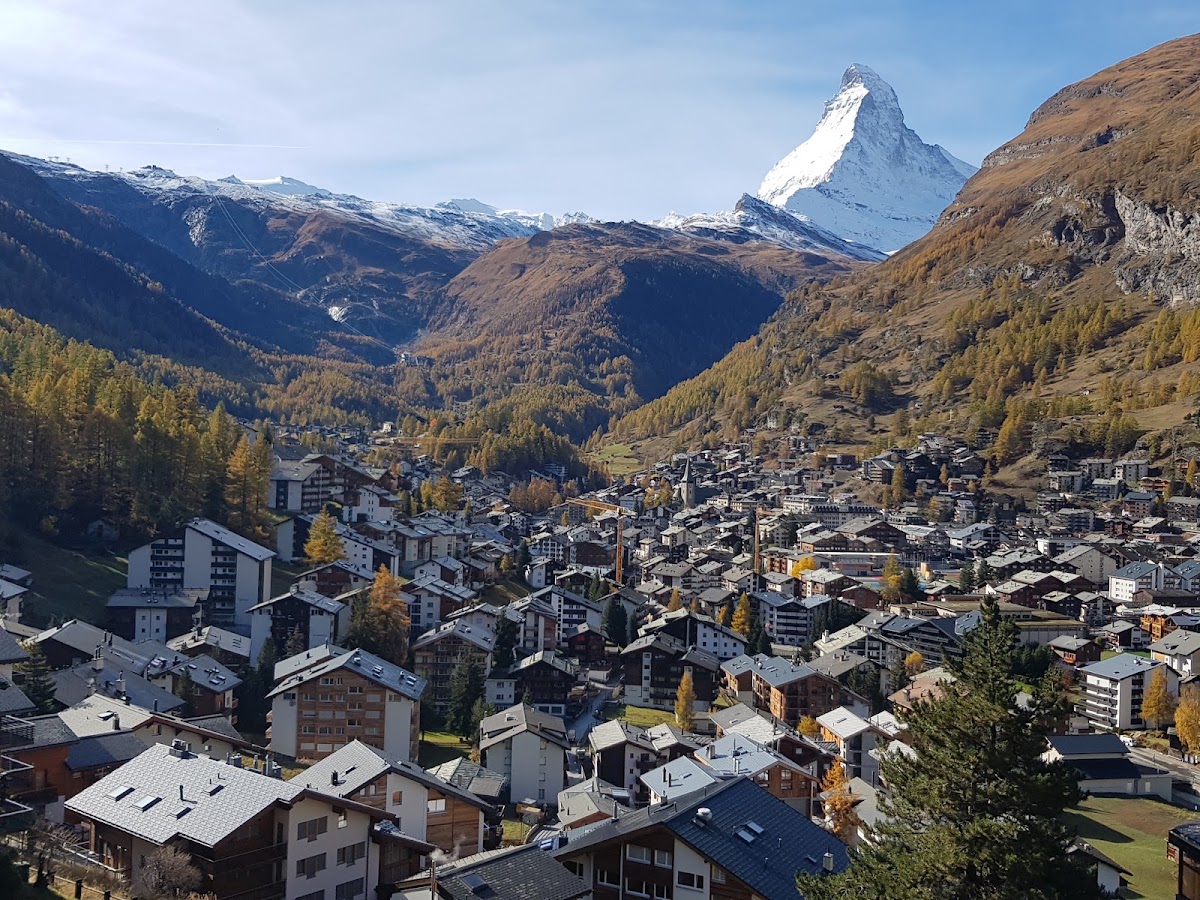
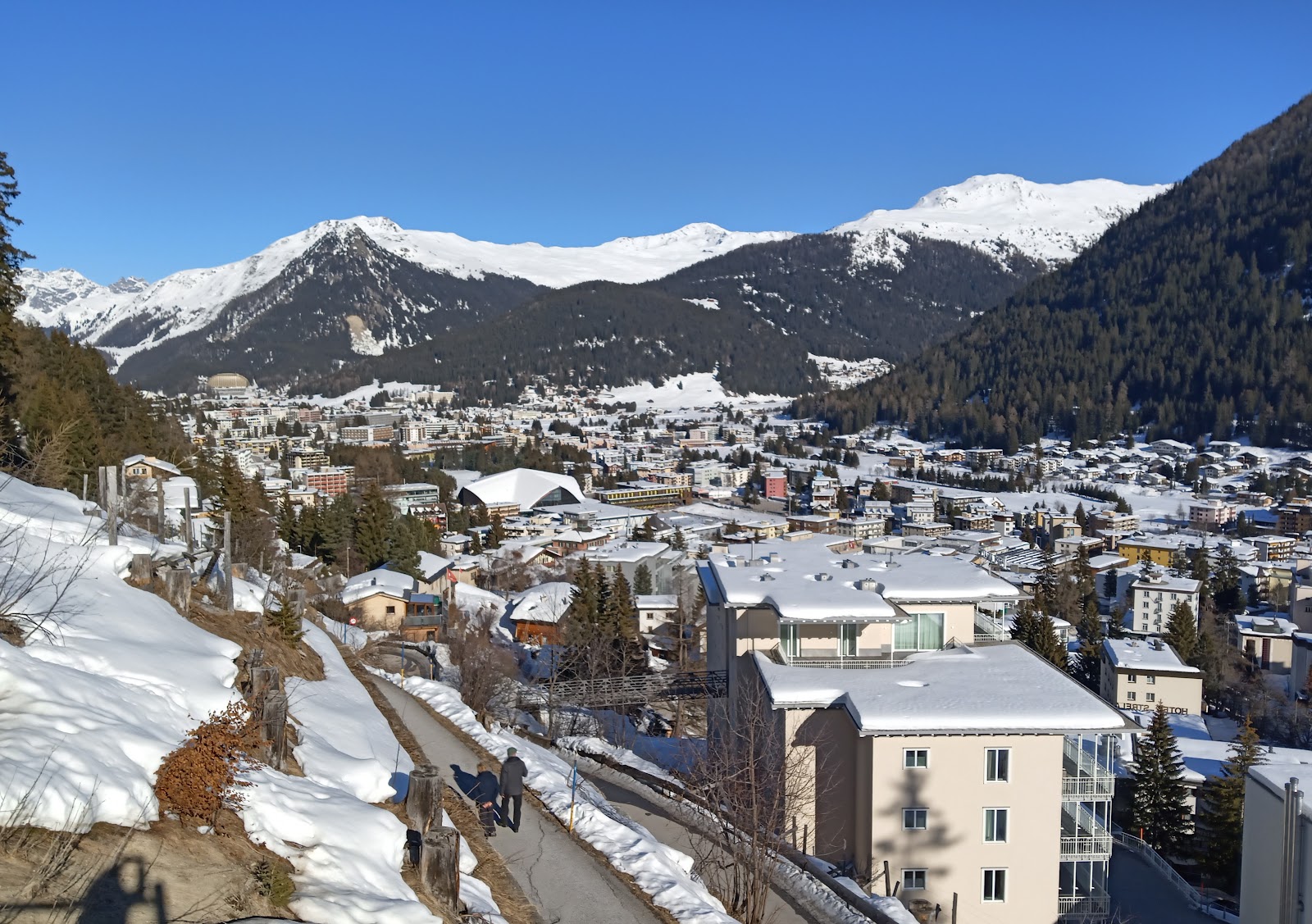
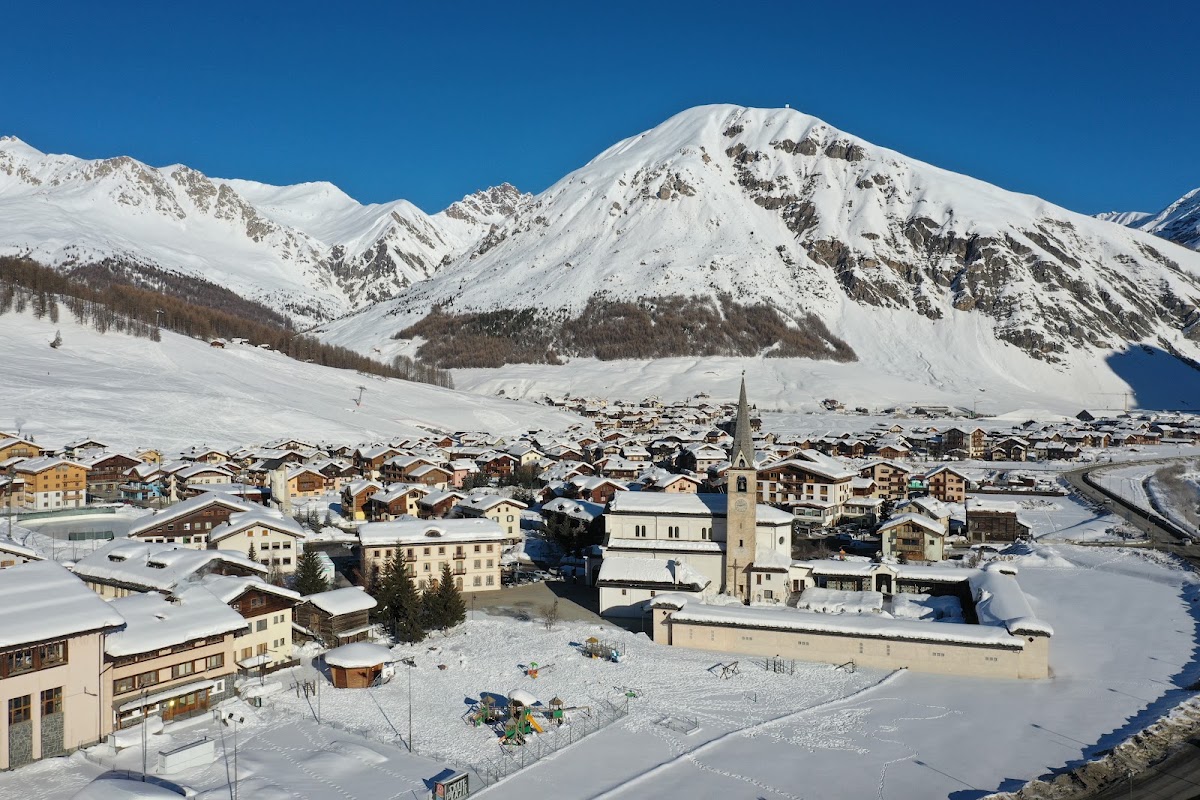
For destinations such as Zermatt, Davos or Livigno, discuss the daily rhythm you want in the enquiry itself. State room wishes and willingness to organise honestly. This gives you a comparison that suits your group, and you do not have to choose between two beautifully photographed houses whose practical differences are still unknown.
Example: the same price range, different tasks
Compare a self-catering chalet with a hotel that offers breakfast. First enter the same number of guests and the same accepted room allocation. Then, for the chalet, add shopping, cleaning and the routes to meals; for the hotel, check which meals and group areas are actually promised. Only this overview shows which tasks remain with the group.
The decision can turn out differently despite a similar overall budget. One group deliberately wants to cook together, another does not want to hand out any more tasks in the evening. Both wishes are understandable. What matters is that the chosen accommodation supports this priority and that additional organisational effort does not first become visible on site.