Ratgeber
Ski Trip with Beginners and Experienced Skiers
For mixed levels, Swiss Vibes Ski recommends separate learning and skiing times as well as clearly agreed shared meeting points. What matters is a resort whose actual offerings suit all subgroups, rather than the largest possible piste map.
Von Ski, Stand
Schritt für Schritt
- Record ability and personal wishes separately.
- Enquire about suitable courses with specialists.
- Check routes between accommodation and meeting points.
- Plan shared meals bindingly.
- Take non-skiers into account on an equal footing.
- Compare services for each subgroup in writing.
Checkliste
- Learning goals recorded
- Courses aligned with specialists
- Meeting points reachable for everyone
- Alternative for non-skiers available
- Costs per subprogramme clear
- Communication contact person appointed
A shared ski trip does not mean that everyone has to ski the same slopes. It only becomes difficult when a group carries this expectation along unspoken. Beginners want to learn in peace, experienced skiers may be looking for longer tours, and some guests do not ski at all. A good plan brings these wishes together at certain points and allows different programmes in between. To do this, you need honest information about ability and the desired intensity before choosing the resort.
Describe ability concretely rather than judgementally
Do not just ask who calls themselves good or poor. Concrete descriptions are more helpful: who is starting completely new, who has skied regularly for years, and who wants to get back into it after a long break? This gives rise to different needs for lessons, equipment and daily rhythm, without sorting the participants into a ranking.
Personal intention also counts. An experienced person may only want to ski in a relaxed way, while someone with less routine is deliberately looking for lessons. Collect such wishes confidentially and use them for planning. A compulsory self-presentation in the group chat is neither necessary nor particularly helpful.
Decide on learning options before the accommodation
A beginners' course only works if the time, language of instruction and accessible meeting point fit. Ask the ski school about the suitable offer for the actual level. Do not rush into reserving a course just because its name seems roughly to fit the group. The professional assessment belongs to the qualified teaching body.
Only then check the accommodation and the routes to the lessons. Someone who needs long transfers in the morning starts the day differently from a person right at the course meeting point. Agree whether equipment has to be collected before the first lesson and who is responsible for their own registration and for arriving on time.
Create shared islands in the daily plan
Plan a few shared moments that are easy to reach: breakfast, a lunch break or dinner. The meeting point must also suit non-skiers and should not tacitly assume a particular run. A clear alternative makes sense if weather or operations do not allow the originally agreed place.
Keep communication simple. A short message in the morning with meeting point and time is often more helpful than a long collection of possible variants. Nobody should have to keep responding to group messages during lessons. In the event of a change, a designated contact person informs the subgroups, rather than everyone organising something different at the same time.
Offer free time without pressure to justify it
A ski trip may also include a free afternoon or a day without slopes. Ask about offerings in the village that are actually available on the travel date. A walk, a quiet break or a shared visit to a café needs no spectacular justification. What matters is that the programme remains sensible and voluntary for the person concerned.
On company trips, this applies especially to guests who do not want to ski. Present their alternative as equivalent and clarify transport and any reservations. A substitute programme is worth little if the whole group leaves the village in the morning and a single person is left behind in the hotel without information.
Record services and limits in writing
The trip proposal should make clear which ski passes, courses, transport and additional activities are included. Different subprogrammes can incur different costs. A shared trip therefore does not necessarily need the same range of services for every person. Compare the confirmed details before concluding from a total price that the scope is the same.
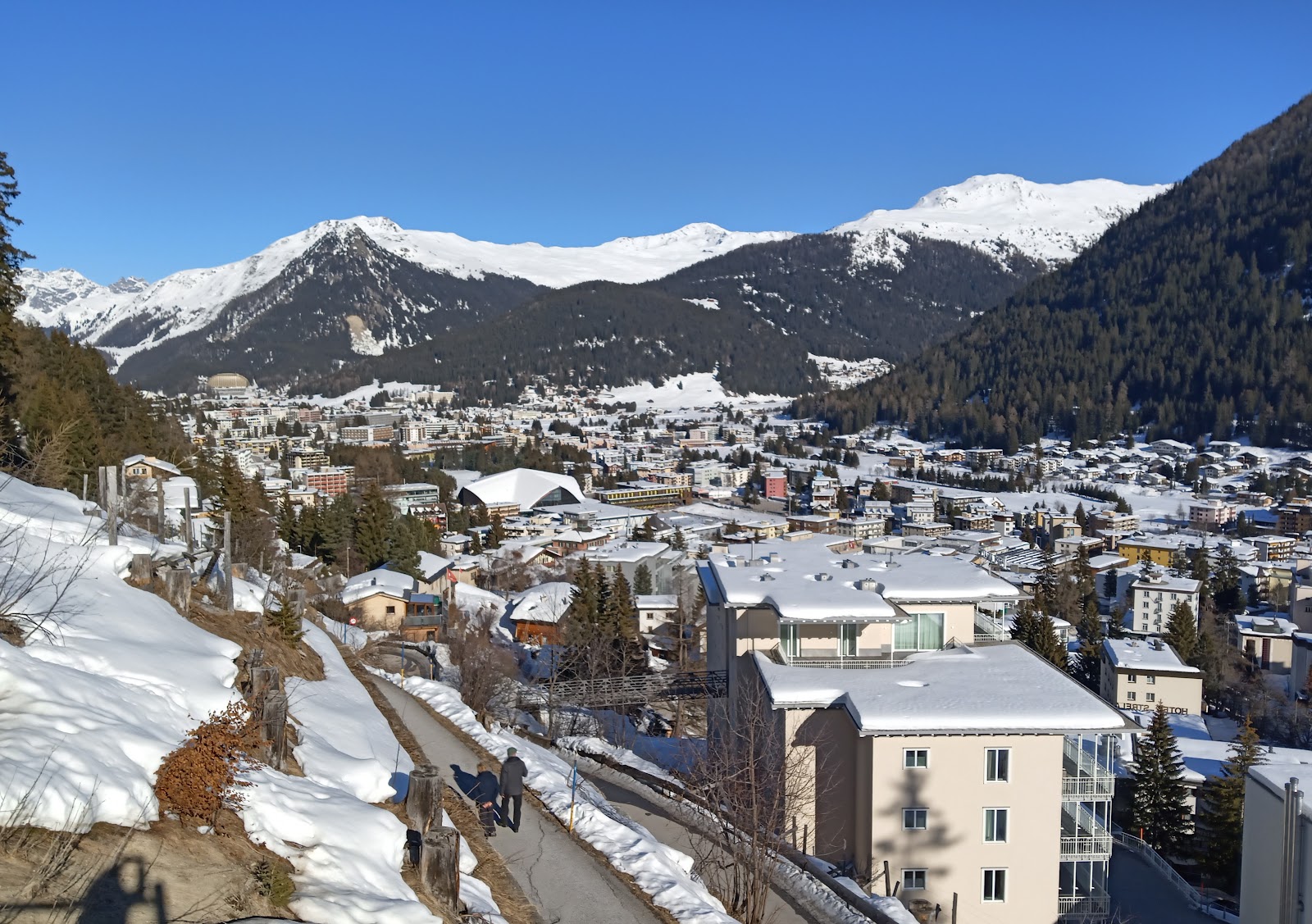
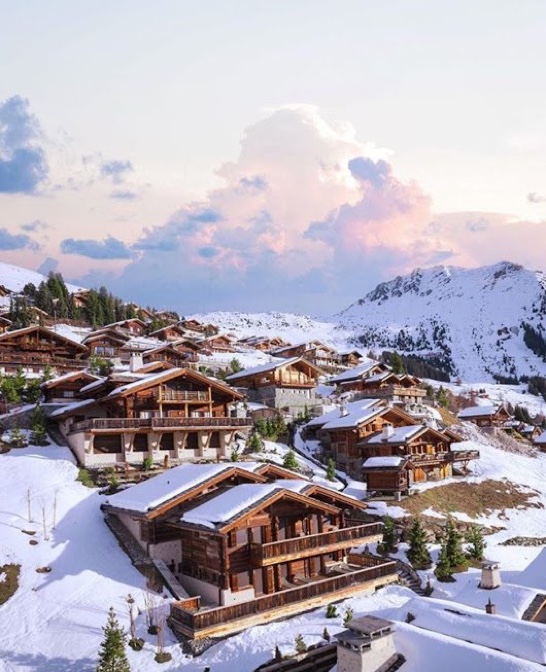
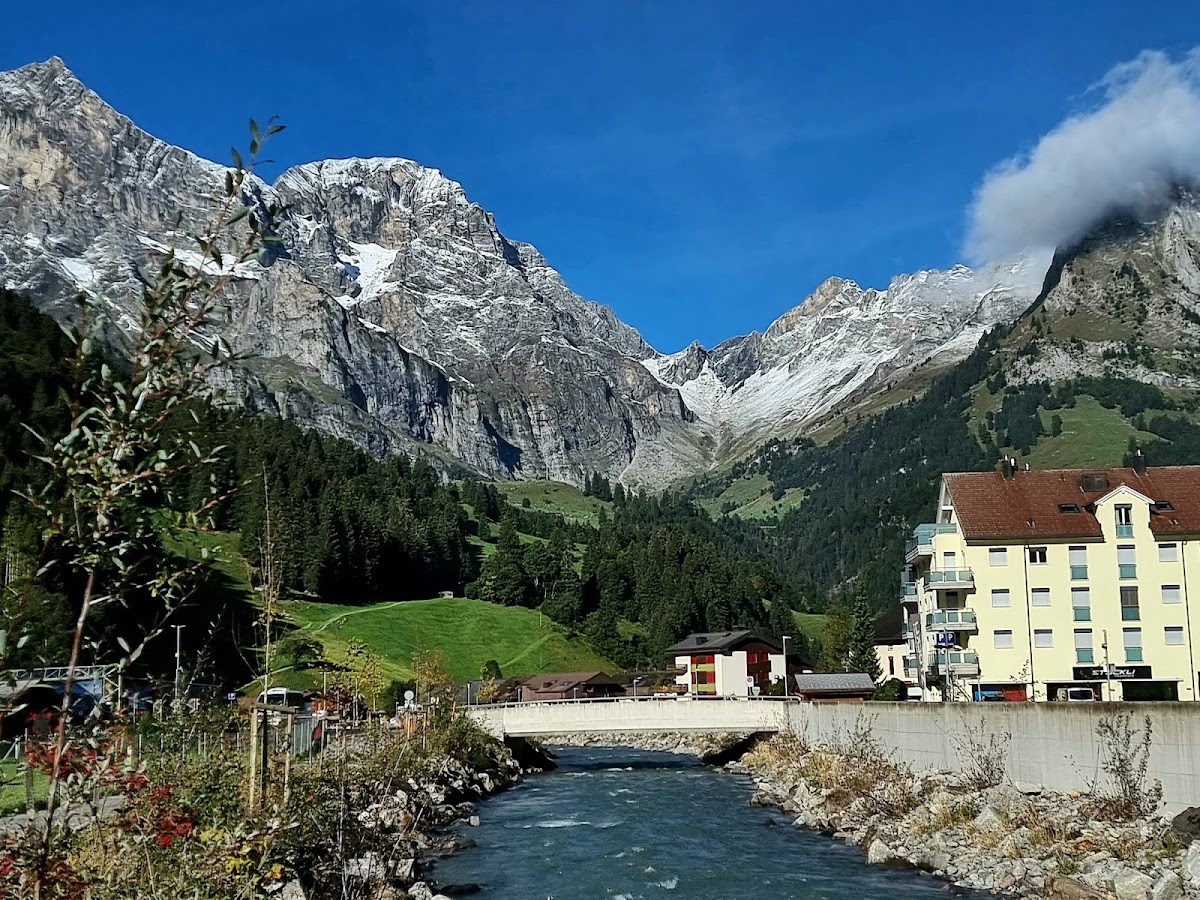
For Davos, Verbier or Engelberg, check the specific offers with the accommodation and the teaching body. Adapt the plan to their feedback and leave sporting decisions to the participants or the responsible specialists. The organisational strength of a mixed trip lies in nobody being pushed to join a programme that does not suit them.
Example: one shared day with two programmes
One subgroup attends a confirmed course in the morning, a second skis independently, and non-skiers initially stay in the village. An accessible lunch is reserved as the shared point. Afterwards, each subgroup decides on the suitable afternoon programme. The evening begins together again at the accommodation. This pattern describes an organisational idea, not a promised programme of a particular ski resort.
Before booking, check whether the routes and opening times actually allow this schedule. If the shared lunch can only be reached with additional transport, this is confirmed or the meeting point is changed. That way the shared element stays binding, while sporting level and personal wishes are not artificially evened out.