Ratgeber
Ski Weekend: Planning Two or Three Days Properly
Swiss Vibes Ski plans short weekends from the usable time window. Two days can work well if journey and equipment are clearly organised; three days create more room, but do not replace a suitable connection and accommodation.
Von Ski, Stand
Schritt für Schritt
- Record the shared time window.
- Compare usable stay time instead of nights.
- Plan equipment and lessons in advance.
- Set one priority for each day.
- Enquire about two variants using the same grid.
- Align the return journey with luggage and equipment.
Checkliste
- Departure time realistic for everyone
- Return deadline clarified
- Check-in and check-out known
- Course start reachable
- Equipment pick-up confirmed
- Last day planned backwards
On a ski weekend, the number of overnight stays alone does not decide the time on the slopes. A late arrival, a long equipment pick-up or an unsuitable return journey can use up an additional day almost entirely. Begin therefore with a realistic schedule and choose the length of the trip only afterwards. This guide helps groups and teams decide between a compact break and a somewhat calmer variant, without squeezing as many activities as possible into every free hour.
Calculate the time actually available
Note the earliest time all people can leave and the latest they can be back. Think of working hours, onward connections and the journey home after the actual transfer. The shared time window is the basis. A trip that only works with several individual exceptions is poorly suited as an uncomplicated group weekend.
Then set the journey against the stay. A closer destination can leave more room for the break itself over two days. A more distant place does not become more suitable because the schedule is calculated especially tightly. Compare concrete connections instead of assuming the same journey time for all resorts.
Do not sell the arrival as a full ski day
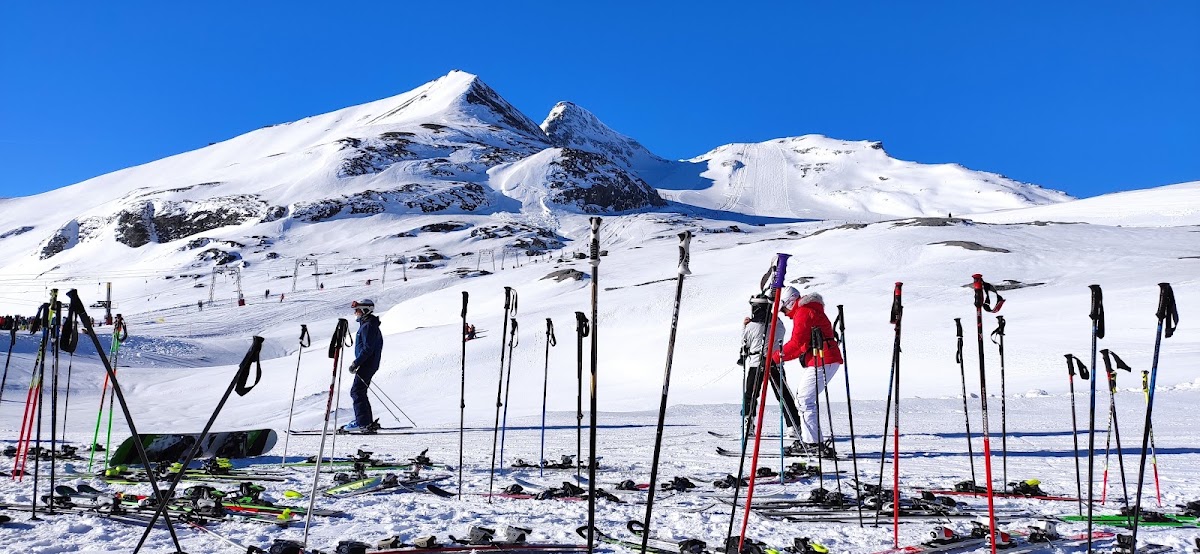
Equipment pick-up, room check-in and orientation take time. Ask about pick-up windows and luggage storage if the group arrives before check-in. A short first item on the programme can make sense, whereas an arrival day that is already completely planned can disappoint. Especially with several new guests, the schedule should remain easy to follow.
Anyone needing lessons must be at the course meeting point on time. If that is not reliably possible after a morning arrival, consider arriving the day before or a different course start. An additional overnight stay then serves a concrete purpose, instead of merely being offered as a longer variant of the same trip.
Shape two days with a clear priority
On a compact trip, a deliberate main idea helps. If the aim is to ski together, no additional dense evening programme is needed. If it is about team cohesion, a shared meal and a well-chosen meeting point may matter more than another sporting activity. Keep the number of compulsory programme items small.
Divide the daily plan so that different levels have room side by side. A group does not have to move together all the time. A short shared start and a confirmed meeting point later in the day create connection, without beginners or guests with a different pace having to ride along on unsuitable routes.
Use the third day as a buffer or a focus
An additional day can ease out longer journeys, allow a block of lessons or create time for a calmer stay. Decide explicitly what task it has. If this remains unclear, it is often simply filled with additional services that raise costs without better fulfilling the original travel wish.
At the same time, check the accommodation conditions. Not every house you want allows the same length of stay on the intended date. An offer for three nights is only sensibly comparable with one for two nights if rooms, catering and the services included are recognisable. Also set the individual absence times of the participants side by side.
Plan the last day backwards
From the return journey follow equipment return, changing, luggage collection and the latest meeting point. Decide on the scope of the last day on the basis of this chain. A short final session or a shared breakfast can be the better solution than a fully announced ski day that actually has to be ended early.
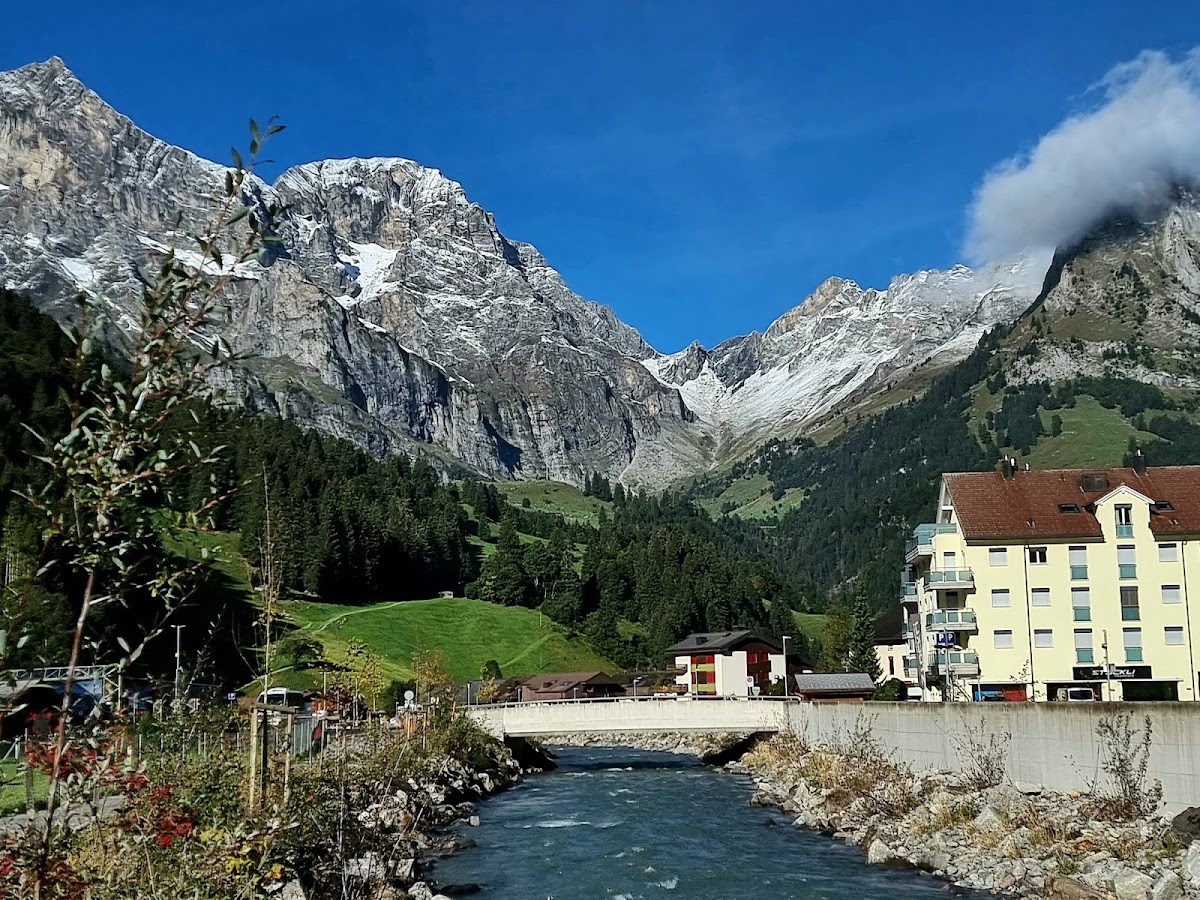
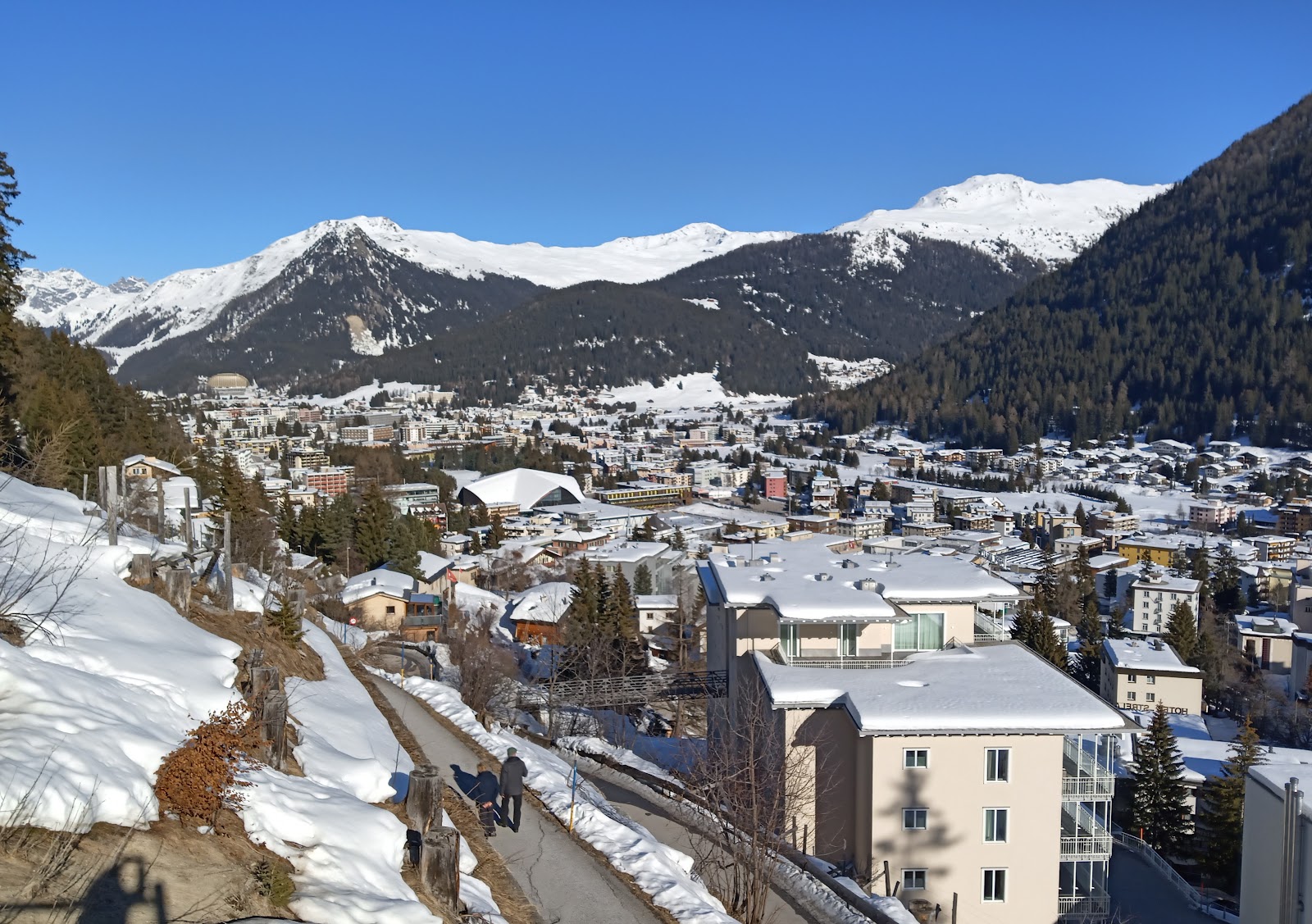
For Engelberg, Laax or Davos, check accommodation and connection for the weekend you want together. Have both variants shown to you with the same grid of services and decide by usable time, not just by number of overnight stays. A clear, calm schedule is the real value of a successful short break.
Example: the additional day serves a purpose
A group can only arrive together in the evening on the first day. In the short variant, one full day of stay and a departure day with a limited time window remain after that. A longer variant creates one more complete day. Write this difference down explicitly, rather than labelling both offers only with their number of overnight stays.
Now the guests decide whether the additional day should be used for lessons, skiing together or more rest. If there is no shared wish for this, the compact trip may be more suitable. The example shows a method of decision; actual arrival times, course offerings and accommodation conditions are confirmed individually for the chosen date.