Ratgeber
Ski Trip by Train: Luggage and the Last Leg
Swiss Vibes Ski plans a train journey as a connected chain from the starting point to the accommodation. Check change times, the actual amount of luggage and the last leg before deciding purely on the shortest journey time.
Von Ski, Stand
Schritt für Schritt
- Record the starting points of the group.
- Compare connections by changes and arrival.
- Count bags and sports luggage individually.
- Weigh luggage service against equipment rental.
- Confirm the last leg to the accommodation.
- Plan the return journey from the equipment return time.
Checkliste
- Shared meeting point defined
- Change routes checked
- Number of pieces of luggage known
- Hotel transfer confirmed
- Check-in and luggage storage clarified
- Return journey aligned with equipment return
A train connection to the holiday resort is a good start, but not yet a complete journey plan. The route from home to the departure station, the changes with sports luggage and the stretch from the last stop to the accommodation also matter. With a group, difficulties often arise at these transitions. This guide shows how to check the entire chain and which information you should put together in writing before buying tickets and additional services.
Compare the whole route, not just the main train
For each connection, note the number of changes, the walking routes in the station and the arrival time at the resort. A slightly longer journey with fewer changes can be easier for a group with ski bags. This is an organisational trade-off; there is no blanket best connection for it.
Take the starting point of everyone into account. Does everyone meet at the same station, or do some join later? A clear meeting point with a responsible contact person avoids search rounds immediately before departure. Also agree how people who miss a feeder service are informed, without the whole group waiting in an uncoordinated way.
Check changes with the actual luggage
A change time from the timetable says little about how comfortable it is with several bags. Check whether escalators, lifts or longer walks are to be expected, and choose a process that less mobile travellers can also manage. Individual support needs are clarified in advance with the transport company.
Count sports bags, suitcases and hand luggage as individual pieces. Especially on a short weekend, a reduced amount helps. Each person should know what they carry themselves. Do not agree a transport solution that only works if a single person takes over the luggage of several other guests when changing.
Weighing luggage service against equipment rental
A separate luggage transport can simplify the train journey, but requires suitable drop-off and delivery times. Check whether the specific accommodation or holiday resort takes part in the service you want. The question is not only whether a service exists, but when the equipment actually arrives and where it has to be collected.
As an alternative, compare rental equipment at the destination. This can reduce transport, but brings a collection appointment and possible adjustment effort. Factor both into the first day of the trip. Current conditions can be found in the SBB luggage offers; for other railway companies, their own rules apply.
Fixing the last leg bindingly
From the station to the hotel, a local bus, a walk or a reserved transfer may be needed. Describe this section as precisely as the long-distance connection. A seemingly small distance can mean considerably more effort than expected with several sports bags, wintry paths or a slope.
A transfer needs the right vehicle size and a confirmed luggage capacity. Give the arrival connection and a telephone number where you can be reached. Clarify what happens in the event of a delay and until when reception is staffed. The accommodation should know whether luggage can be left before check-in or whether early occupancy is expressly confirmed.
Plan the return journey from the last item on the programme
Begin backwards: when does the booked train leave, when must the rental equipment be returned and how long does the journey to the station take? From this you can see whether a full, a short or no ski day at all makes sense on the departure day. A return journey should not depend on every last step going without delay.
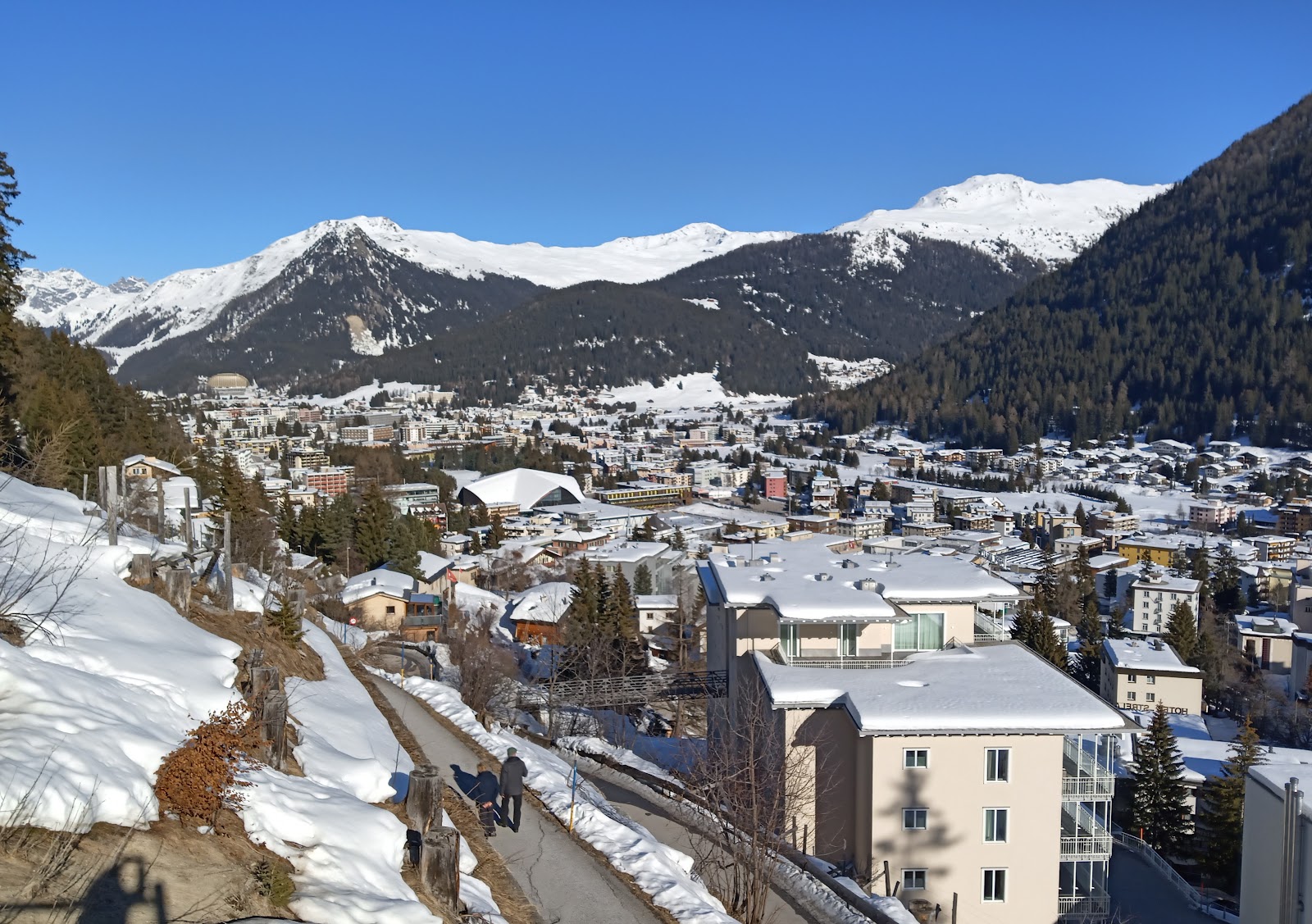
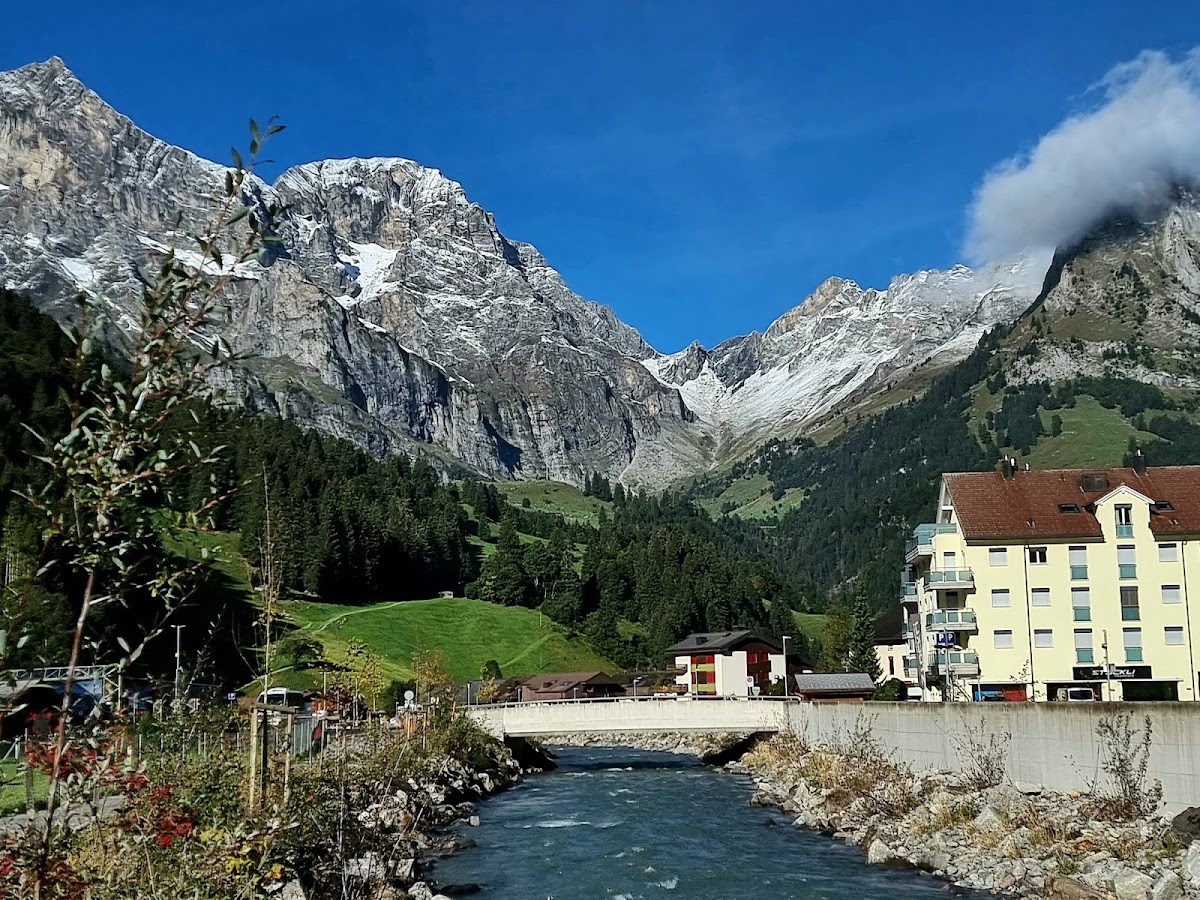
Give the group a short overview with departure, meeting point, luggage solution and the responsible contact person. Update it when things change instead of sending several contradictory messages. For destinations such as Davos, Engelberg or Zermatt, check the relevant connection again on the travel date rather than taking over journey times from an earlier trip.
Example: three handovers on one trip
Consider a train journey with luggage service as three separate handovers. First the luggage is checked in and the confirmation verified. Then the group travels with the remaining hand luggage. At the destination, the expressly named office takes over the delivered pieces. For each of these handovers you need place, time and contact, even if all services appear under the same offer name.
Also check which items are needed before the delivery arrives. A service only makes the journey easier if the daily schedule matches its actual delivery times. For a very short trip, equipment rental can therefore be organisationally simpler; the decision depends on the specific offer.