Ratgeber
Recovering from heavy stress: planning a trip sensibly
When stress is high, a trip with a short journey, little programme and a steady, calm rhythm helps. Choose a place where you have to do nothing, and leave room for sleep. Wellness plans such trips by video call, and under heavy strain medical advice is part of it.
Von Wellness, Stand
Schritt für Schritt
- Clarify what you need: sleep, calm, nature
- Choose a short journey
- Find a quiet place with little programme
- Plan at least five nights
- Limit your availability deliberately
- Plan a free day for your return
Checkliste
- Journey short and simple
- Quiet house chosen
- Programme deliberately kept small
- Work and emails organised
- Sleep planned in
- Walks nearby
- Return journey without appointments
- Medical advice if needed
If you have worked hard for a long time, you want to switch off at last. But a trip can itself become tiring if it is too full. Here you can read how recovery works when mind and body are tired.
Being honest about your tiredness
When exhaustion is severe, a full programme is not enough. Ask yourself whether you need sleep, calm, nature or a change of scene. Not every trip delivers the same thing. Note down when you last felt truly rested. That memory often shows what does you good: nature, water, movement or silence.
If you are persistently tired, irritable or low, talk to your doctor. A trip does not replace treatment. Many people underestimate their tiredness. Those who take it seriously plan more calm and less programme, and experience the trip as more relaxed.
We make no medical promises. We help create a calm setting in which recovery is possible. If you are unsure whether your exhaustion has medical causes, have it checked before you fix the trip.
Place and journey
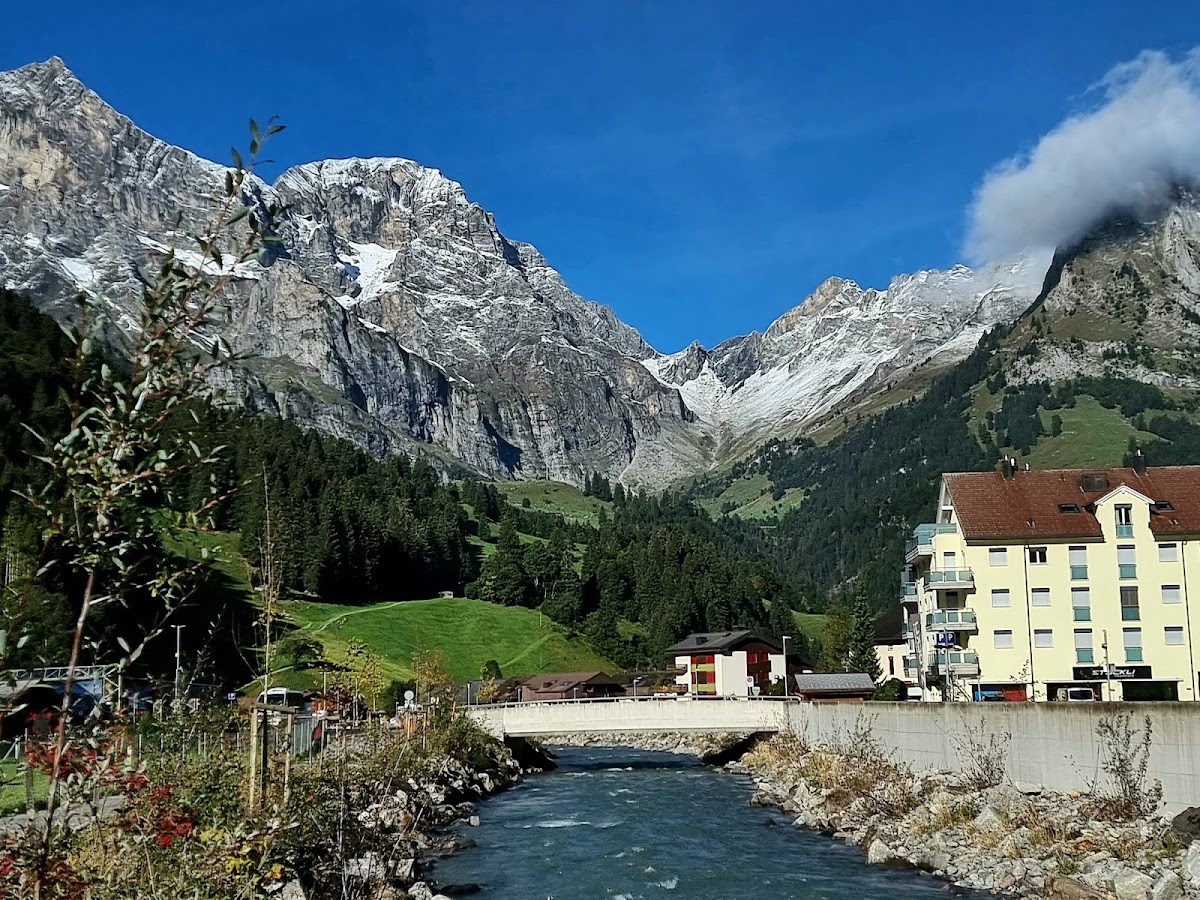
Choose a destination with a short journey. A flight with a change and a time difference can be draining in itself. The Alps, Tuscany or South Tyrol can be reached in a few hours. Choose places you already know or that are similar. The familiar is a relief when you lack the energy for something new.
If you would like to travel further, allow enough time and a quiet day of arrival. A quiet house with a spa, garden and walking paths offers everything you need without having to travel on.
The place should offer stillness. A small house with a garden or nature close by often works better than a large resort. Avoid places with lots of programme, entertainment or nightlife. Even if they look appealing, they do not suit a recovery trip.
Rhythm instead of programme
Plan only a few fixed points each day: breakfast, a walk, a treatment. The rest stays free. Decide when you want to get up and eat, and deliberately allow yourself long breaks in between.
Sleep in, read, listen to music. If you rarely have breaks in everyday life, you have to relearn calm first. Make a plan for bad weather: a book, a puzzle, a bath. That way the mood stays calm even when it rains.
Skip excursions if they cause stress. It is allowed to stay by the pool. If thoughts about work keep circling, write them down and put the sheet away. That noticeably relieves the mind.
Limiting your availability
Agree with your team when you can be reached. A clear plan brings relief, even if you never check. Let those around you know that you need calm. Clear words avoid misunderstandings and guilt.
Put your phone away for periods of time. Digital breaks complement calm in your room. Even short digital breaks help. An hour without your phone in the morning changes the day noticeably.
A deputy at the office is a good precondition for recovery. Too many emails before the holiday weigh on you. On your last working day, plan time for tidying up and handing over.
After the trip
Do not plan any appointments for the day after your return. The transition back to everyday life helps decide how long the recovery lasts. Set yourself a small goal for the time afterwards, such as a walk each day or going to bed earlier.
Take part of the rhythm home with you: a walk, earlier sleep, small breaks. A trip alone is no substitute for change in everyday life, but it can be a prompt and a pause at once.
In the [planning call](/m/wellness/planen) by video call, we discuss time, place and rhythm. Also check the advice from the FDFA (EDA). We listen, ask questions and suggest places that suit your need, without pressure and without big promises.
What you are better off avoiding
Avoid trips with many changes of location, time pressure and fixed appointments. They create new stress, even if the places are beautiful.
Do without exaggerated expectations. Recovery is a process, and the first day rarely brings the greatest effect.
Do not plan any important decisions during the trip. Let thoughts drift and decide after your return with a clear head.