Ratgeber
Planning a silent retreat and meditation trip
A silent retreat is a stay with a fixed daily routine of meditation, walking and rest, without conversation. Choose length, place and style according to your experience and, if appropriate, begin with a few days. Wellness plans meditation trips by video call, and mental health questions belong in the hands of a doctor.
Von Wellness, Stand
Schritt für Schritt
- Clarify expectations and experience
- Choose a short stay to start
- Check the style and tradition of the house
- Ask about the daily routine and rules
- Plan your arrival before the start
- Allow for settling in and for the close
- Prepare your return to everyday life
Checkliste
- Daily routine read
- Rules on phone and reading clarified
- Comfortable clothing packed
- Warm layer for morning and evening
- Arrival the day before
- Everyday life organised
- Medical advice if needed
- Time for your return planned
A silent retreat is a journey inward. There is no conversation, no distraction and little programme. For many this is a deep experience, for others a challenge. Good preparation helps.
What a silent retreat is
In a silent retreat, participants give up conversation. The day consists of sitting meditation, walking meditation, simple meals and breaks. Phone, books and writing are often restricted. Some houses allow short conversations with the retreat leaders. Ask beforehand how communication is arranged if you have questions.
The length ranges from a weekend to several weeks. Three to seven days suit a first stay. A short experience shows whether the form suits you. For many participants it is surprising how quickly the day fills up, even without words. Walking, sitting, eating and resting structure the hours.
The silence is meant to direct attention, not to punish. Good houses explain the purpose and are ready for questions. The silence usually extends to eye contact and gestures too. The point is to stay with yourself and turn your attention inward.
Choosing the right place
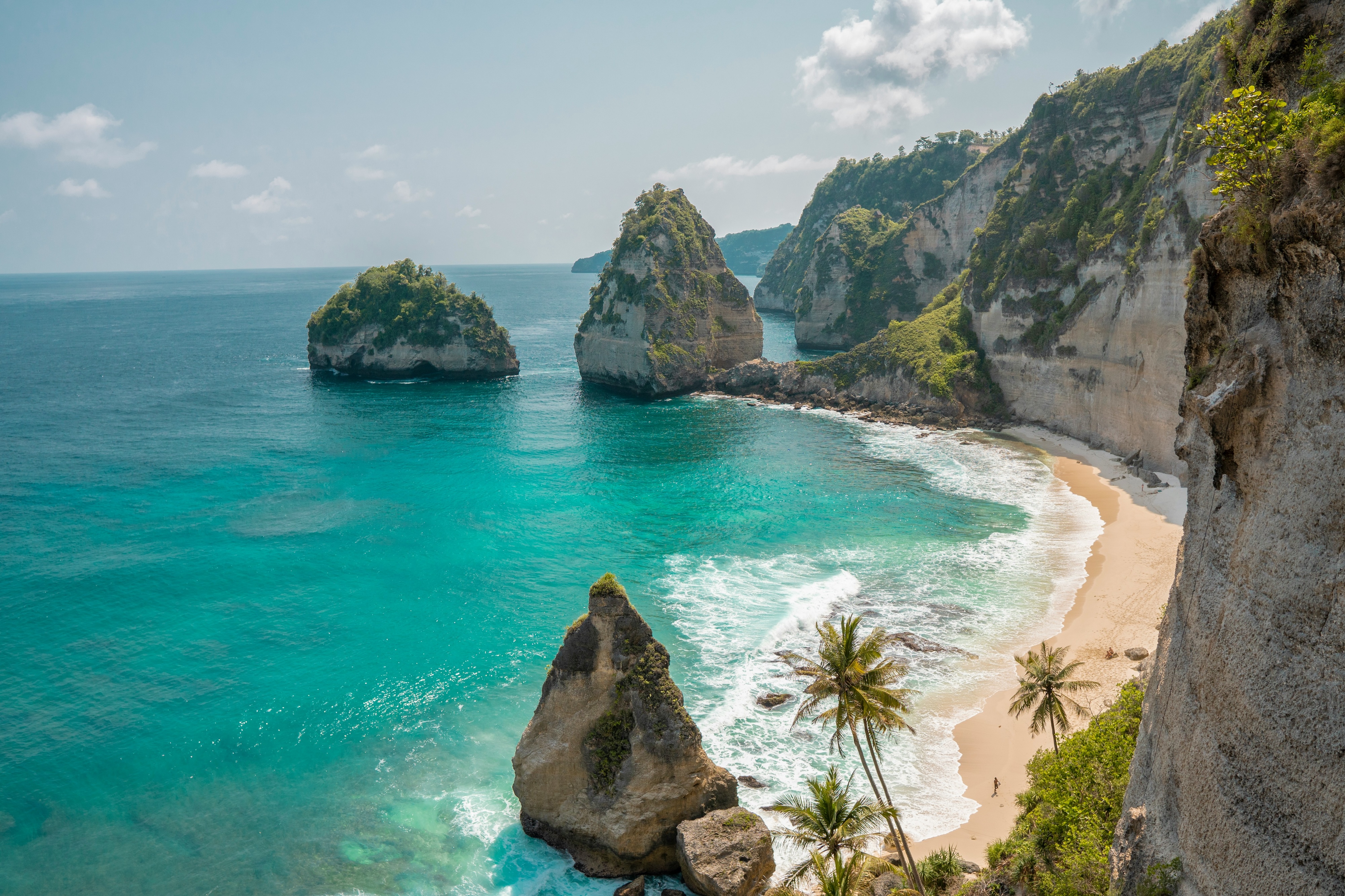
Places in Asia such as Sri Lanka, Bali or Kerala have long traditions. In Europe there are monasteries and centres in quiet nature. Choose by style and travel season. If you have never meditated, it is better to begin with an introductory course or a short stay. That way you learn the basics without pressure.
Check the tradition and programme. Some houses are strict, others gentler. Ask about the routine, compulsory attendance and how breaks are handled. Read accounts from others, but do not compare. Everyone experiences silence differently, and that is fine.
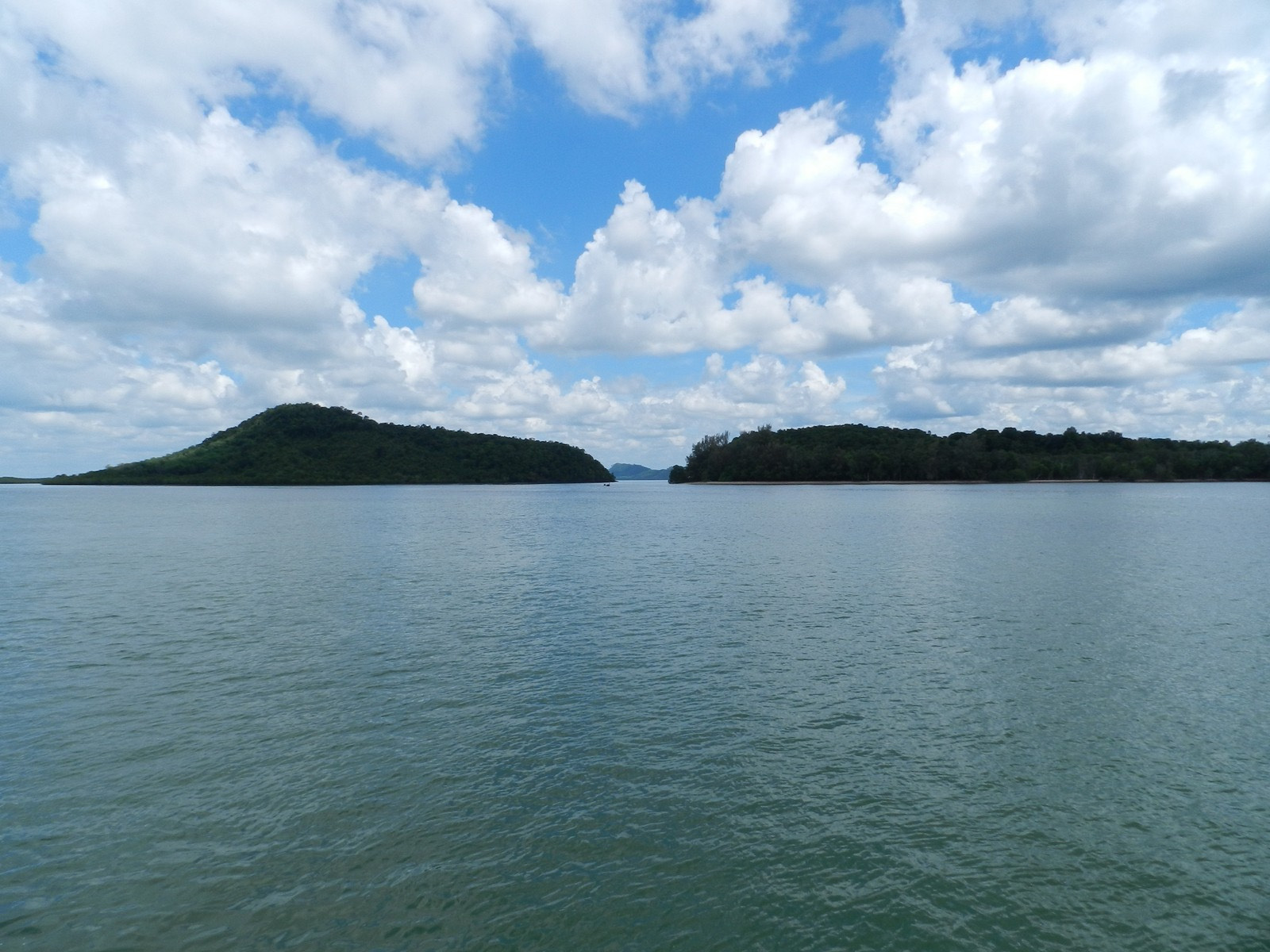
The surroundings help. Woods, a garden or the sea have a calming effect. Find out about accommodation and meals. Simple rooms and plain meals are part of many retreats.
Preparing for the silence
Start a few days beforehand with short meditations. That way the first day is not your first attempt. Practise sitting for longer before the trip, with a cushion or a chair too. Your body gets used to the posture more easily if it knows it.
Agree with people close to you that you will not be reachable. That relieves the mind. Pack little: comfortable clothing, socks, a blanket. If you bring little, you also have less on your mind.
Choose comfortable clothing in several layers. Mornings and evenings can be cool. Discuss with relatives how you can be reached in an emergency. That gives everyone peace of mind, even when your phone has been handed in.
Dealing with difficult moments
Silence can release thoughts and feelings. That is part of the experience but can be burdensome. Good houses have contact people who accompany you. Boredom, restlessness or tiredness are part of the process too. They often pass after a few days, once the body has adjusted.
If you have mental strain or pre-existing conditions, talk to your doctor beforehand. A retreat does not replace treatment. If you have difficulties, seek a conversation with the retreat leaders. Good retreats take such feedback seriously.
We make no medical promises. We help with selecting and organising the trip. A retreat is not a competition. You may take breaks, adapt exercises and respect your own limits.
Journey and return
Arrive early so that you can settle in before the start. After the retreat, plan at least one quiet day before flying back. Plan the way back calmly, ideally without long travel days in a row. The transition into noise and conversation also needs shaping.
At home a free day helps the silence linger. Start slowly with appointments. For the days afterwards, resolve to eat and walk mindfully. Small rituals keep the effect going for longer.
In the [planning call](/m/wellness/planen) by video call, we clarify destination, length and style. Also check the advice from the FDFA (EDA) and the FOPH (BAG). With you we choose places where calm is genuinely possible, and we explain in advance what to expect.
What you should bring
Most retreats set out a packing list. Read it carefully and ask whether mats, cushions and blankets are provided or have to be brought.
Choose clothing that neither pinches nor distracts. Neutral colours and soft fabrics suit the quiet character of the place.
A small notebook may be allowed, even if speaking and reading are restricted. Ask beforehand so that you are not left without a way to write things down.