Ratgeber
Stag do destination: city break or beach
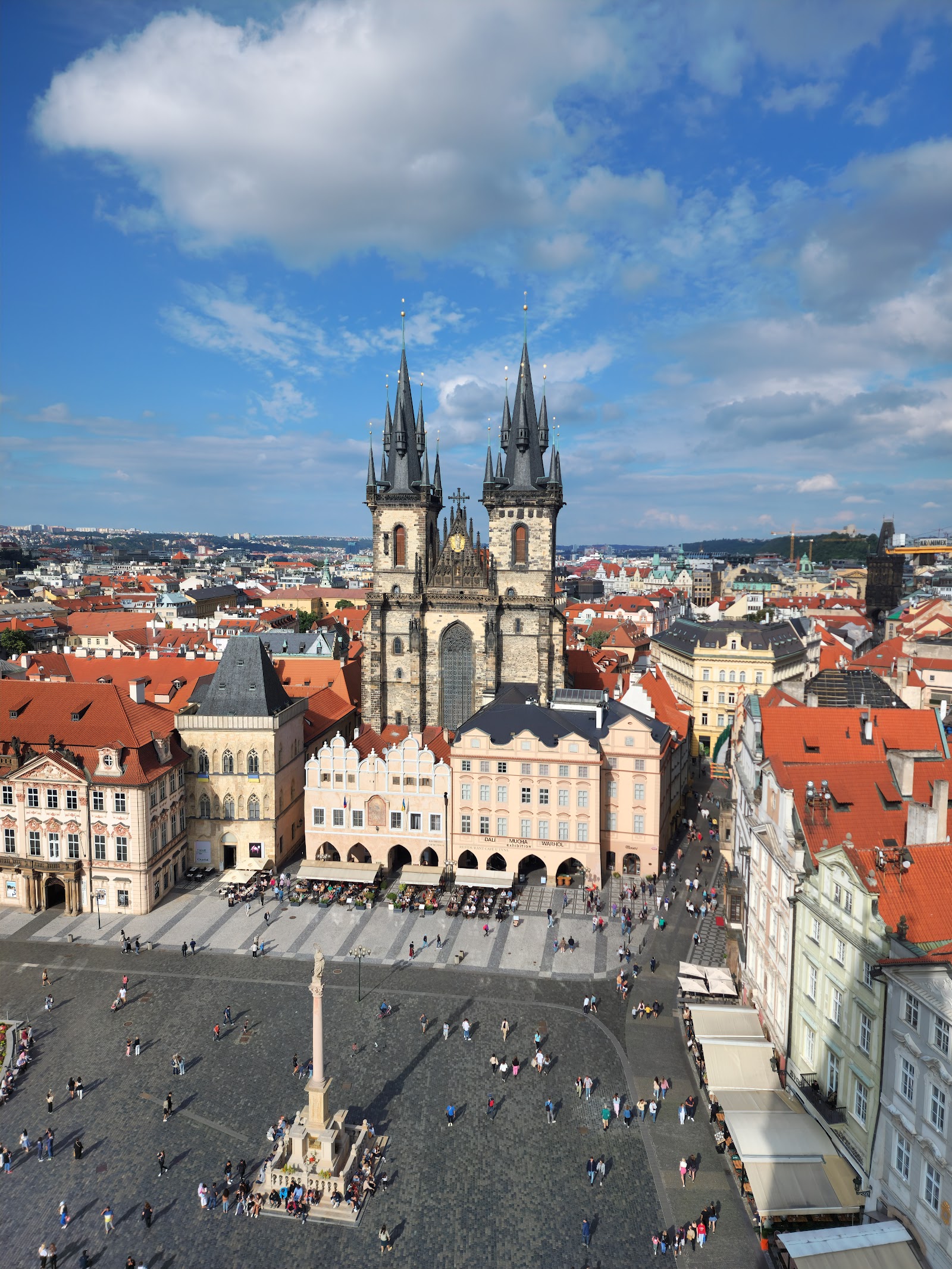
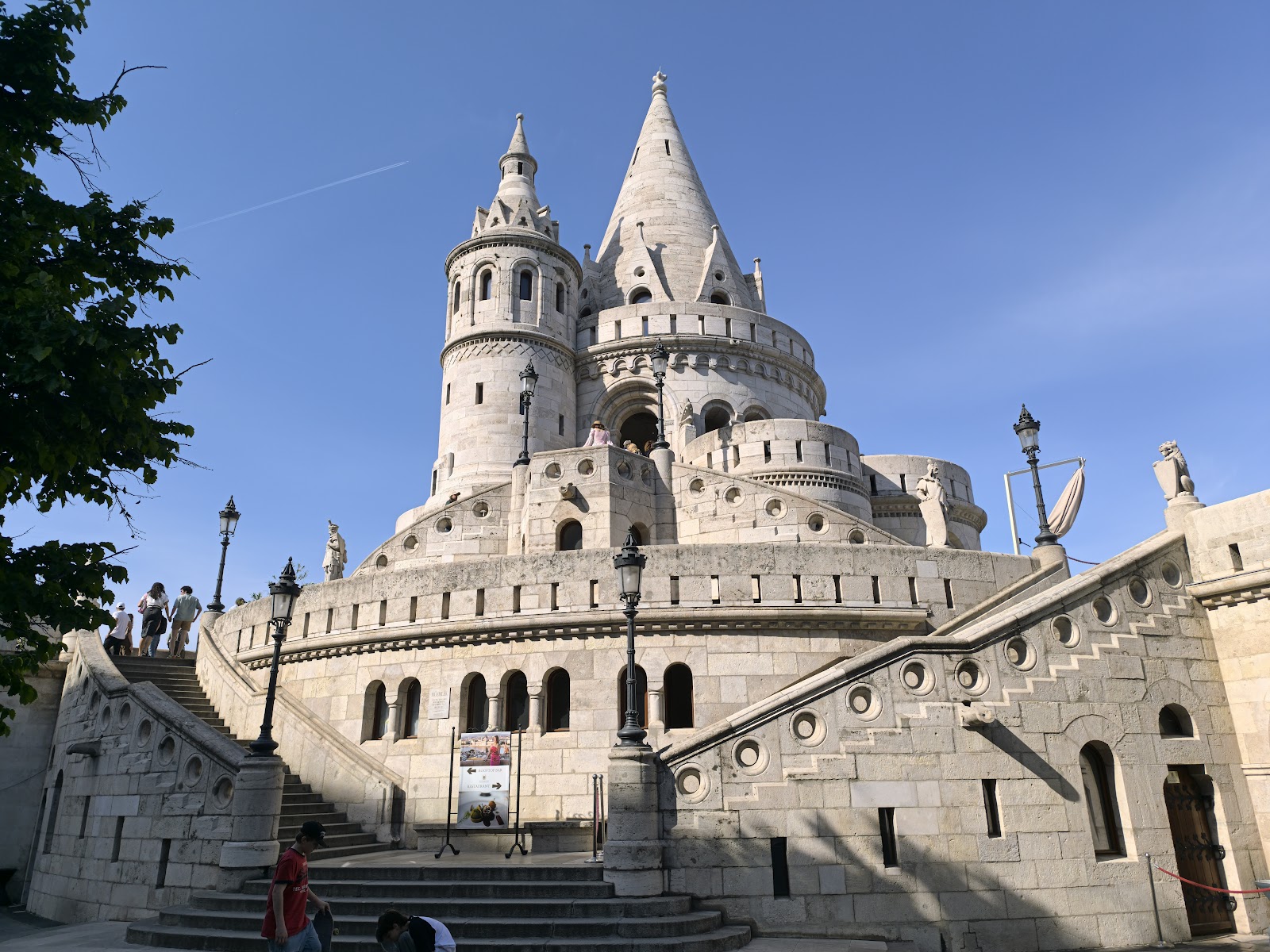
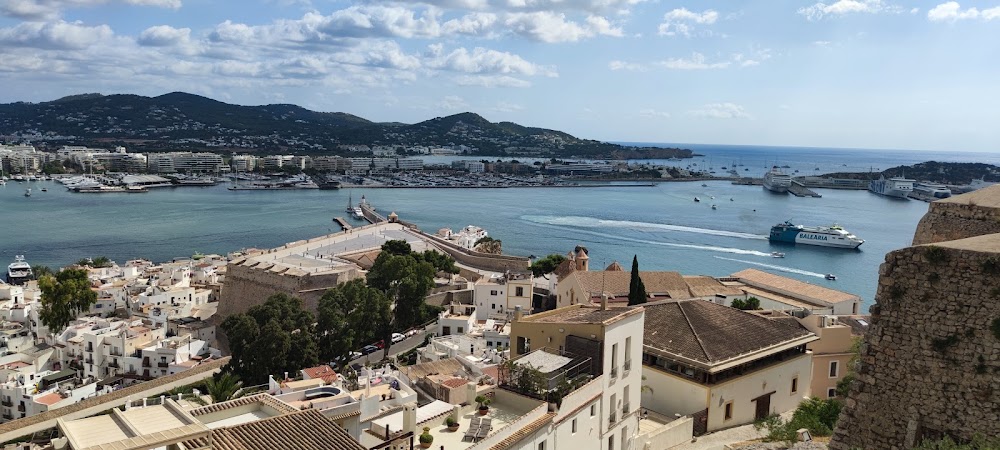
For groups with mixed interests and trips outside the swimming season, a city break suits well, for example to Prague, Budapest or Barcelona. A beach destination such as Ibiza fits if you travel from June to September and the group mainly wants to spend time together. Bachelor Trips plans both options and advises groups by video call.
Von Bachelor Trips, Stand
Schritt für Schritt
- Ask three or four participants whether they would rather have programme or relaxation.
- Fix the travel month, because it determines whether the beach is even an option.
- Check flight time and direct connections from Zurich or Basel for two or three candidates.
- Compare accommodation and programme costs for each option with real quotes, without guessing prices.
- Put two options to the group for a vote, not ten.
- Fix the destination in writing and name the deadline for confirmations.
Checkliste
- Travel month and swimming suitability of the water checked
- Programme for rainy days in place
- Flight time reasonable for everyone
- Accommodation available for the whole group
- Groom's wishes gathered without giving away the surprise
- Vote limited to two options
- Deadline for binding confirmations communicated
The city break is the safer choice, and the beach the more relaxed one if the weather plays along. What matters is the season, the mood of the group and how much programme you really want to organise. This guide helps best men decide on the destination in one group chat instead of twenty voice messages.
When is the beach really worth it?
The beach is a question of season. From June to September, Mallorca, Ibiza or Split are reliable, while before and after it can turn cool and windy depending on the year. A beach day in April is not a beach day but a walk in a jacket.
The advantage of the beach lies in the pace. The group does not have to tick anything off, there are no opening hours and nobody rushes from appointment to appointment. For groups who have not seen each other for a long time, that is often a fitting programme.
The disadvantage is in the detail. Anyone who wants a boat, a beach club or a table by the water has to reserve early, and in high season it gets tight. So plan fixed points by the sea too, otherwise the day ends in endless discussions about where to go now.
What speaks in favour of the city break?
A city works almost all year round. Prague, Budapest or Krakow have mild weather in spring and autumn, plus thermal baths or Christmas markets in winter. That makes the date more flexible when work and family calendars are full.
A city break is also easier to adapt to different types. Those who like culture go to a museum, those who prefer eating book the table, and in the evening everyone meets again. This freedom relieves the organiser, because not every minute has to be filled together.
The flip side is distances. Cities are large, the group spreads out, and a taxi for eight people is not a given. Choose central accommodation and include travel times in the plan.
How does the group affect the decision?
Small groups of four to six people manage with both options. With ten or more people the beach becomes logistically more demanding, because boat places, sun loungers and tables have to fit together for everyone.
Also ask about fitness and habits. Anyone who shies away from long city walks is better off by the water. Anyone who gets restless after a short time in the sun needs a programme in the city.
Watch the gap in budgets. Destinations such as Ibiza are at the upper end in high season, while Krakow or Budapest are cheaper to plan. A destination that puts part of the group under financial pressure costs more in the end than just money.
And if the weather does not play along?
The weather risk is greater by the sea, because the appeal depends on the sun. Before booking, ask yourself what the group does in the rain. If there is no answer, the destination is too risky.
In the city, rain is a smaller problem. Museums, thermal baths, cooking classes and restaurants work regardless of the weather. In Hamburg, Vienna or Prague in particular, a day can easily be moved indoors.
A middle way is cities by the sea such as Barcelona or Lisbon. Here you combine old town and beach without putting all your eggs in one basket. That is rarely the most original choice, but usually the most relaxed for the organiser.
How does the group reach a decision?
Do not put ten places up for choice, but two. For each option, describe travel time, style and type of accommodation in three sentences. A short poll with a deadline spares you weeks of follow-up questions.
Say clearly who decides in the end. Usually that is the best man together with the groom, and in a tie the travel time counts. That takes the sting out of the topic.
Get advice if needed. Bachelor Trips is a Swiss travel agency with video consultation and compares destinations, flight times and programmes with you before you commit.
What else should you consider when choosing a destination?
Look at the journey. A destination that requires a long flight and a long transfer costs almost a whole day on a weekend. Check direct flights from Zurich or Basel and the route from the airport to the accommodation before the group celebrates a destination that turns out to be awkward in practice.
Think about the groom's wishes. Some have a clear favourite, others are glad when someone decides. Ask casually about city or sea without revealing what is planned. The answer tells you more than any poll in the group.
Keep an eye on costs without calculating like an accountant. Beach destinations are often more expensive in high season, while cities in the east are usually cheaper, depending on season and category. More important than the amount is that everyone can afford the destination without having to talk about it.